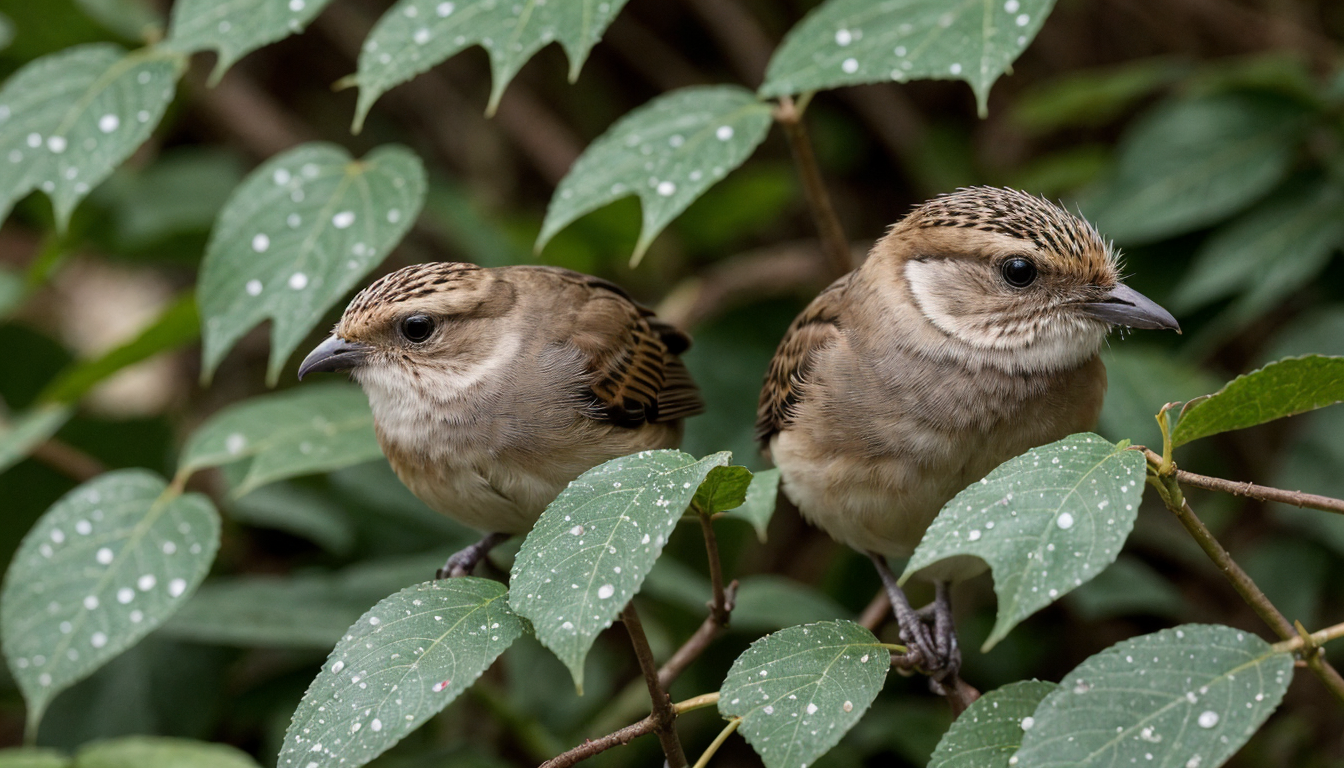
Birds Bathing in Poison Ivy: The Surprising Reason Why
TL;DR
- Certain bird species are known to bathe in poison ivy leaves and vines.
- This behavior may be related to the plant's chemical properties that help birds control parasites and maintain feather hygiene.
- Studies suggest that birds use poison ivy as a natural pesticide, reducing infestations of mites and lice.
- The phenomenon is observed across various bird species but not universally among all avian populations.
Introduction
The sight of birds bathing in poison ivy may seem counterintuitive given the plant's notorious reputation for causing skin irritations in humans. However, this peculiar behavior reveals intriguing insights into the ecological adaptations and health practices of certain bird species. This article explores why some birds choose to bathe in poison ivy, examining scientific studies, historical observations, and cultural perceptions.
The Science Behind Bird Bathing Habits
Chemical Composition of Poison Ivy
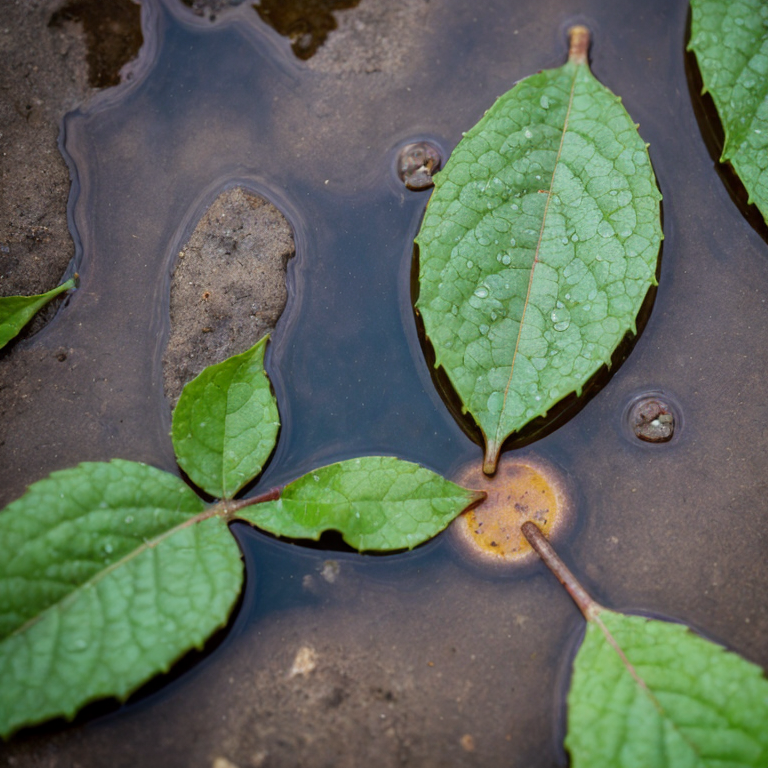
Poison ivy (Toxicodendron radicans) contains an oily resin called urushiol, which is responsible for the allergic reactions experienced by humans. However, birds are generally immune to these irritants and can safely interact with the plant.
Urushiol's Role in Bird Behavior
Urushiol has antifungal and antimicrobial properties that may benefit birds by reducing parasites and enhancing feather quality. Birds often engage in bathing behaviors to control external parasites such as mites and lice, which are common nuisances for avian species.
Feather Hygiene and Parasite Control
Birds require regular grooming and hygiene maintenance to maintain healthy feathers essential for flight, insulation, and waterproofing. Bathing helps remove dirt, debris, and parasites from their plumage.
Natural Pesticides in Poison Ivy
Research indicates that urushiol acts as a natural pesticide against common bird parasites. By bathing in poison ivy leaves or vines, birds can coat themselves with the resin, creating an environment hostile to these pests without experiencing adverse effects themselves.
Observational Studies and Field Research
Field observations have documented several bird species engaging in this behavior, including American Robins (Turdus migratorius), Eastern Bluebirds (Sialia sialis), and Northern Cardinals (Cardinalis cardinalis). These studies suggest that the use of poison ivy for bathing is widespread but not universal among all avian populations.
Case Study: American Robin
A detailed case study on American Robins found that these birds frequently bathe in poison ivy during spring and summer months when mite infestations are most prevalent. The urushiol coating helps reduce parasite loads, promoting better overall health and fitness.
Historical Observations and Cultural Perceptions
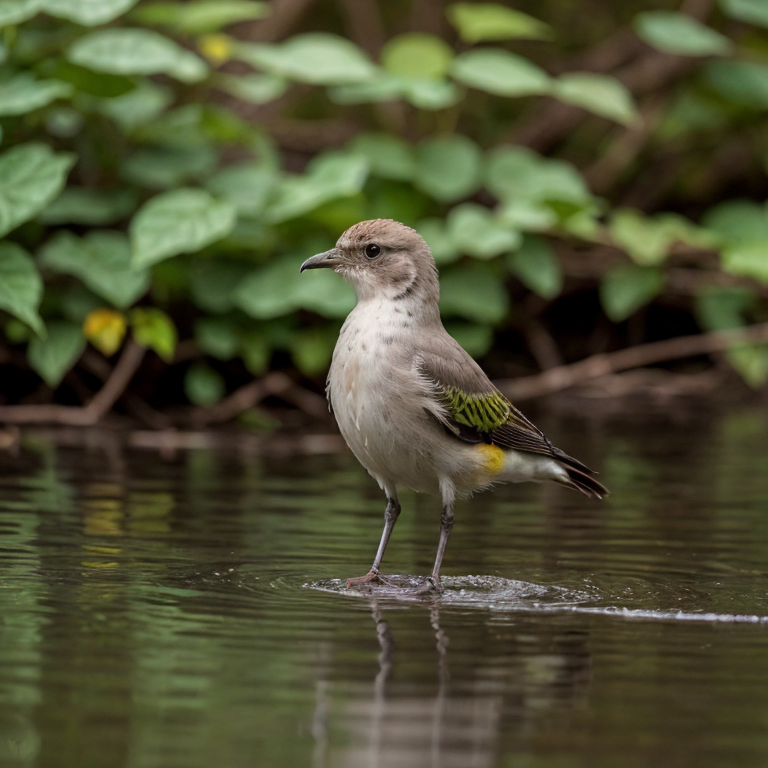
Early Accounts of Bird Behavior
Historical records dating back to the early 20th century document bird interactions with poison ivy but often lacked scientific explanation or context. Early naturalists noted these behaviors as anomalies without understanding their underlying reasons.
Folklore and Misconceptions
Local folklore sometimes attributed mystical or magical properties to poison ivy due to its unusual use by birds, leading to misconceptions about the plant's true ecological role in bird health maintenance.
Ecological Implications of Poison Ivy for Birds
Plant-Animal Interactions
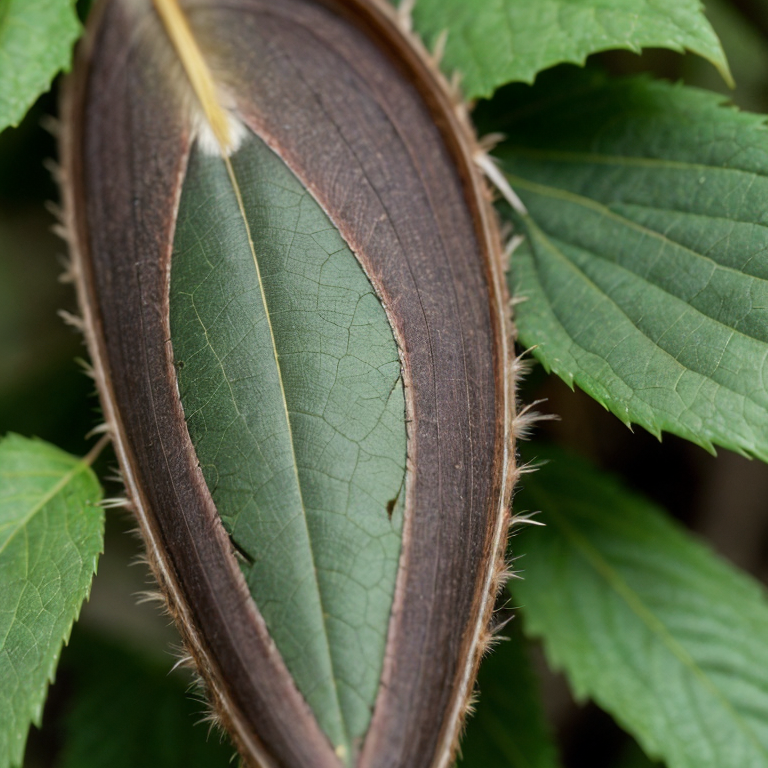
Poison ivy serves as a critical resource for various wildlife species beyond just birds. Its leaves provide food and shelter for insects, which in turn attract birds seeking prey or nesting materials.
Habitat Diversity
The presence of poison ivy contributes to habitat diversity within ecosystems, offering unique benefits to specific bird species that have adapted to utilize its resources effectively.
Conservation and Management
Understanding the ecological role of poison ivy is crucial for effective conservation strategies. Managing this plant appropriately can support biodiversity by maintaining suitable habitats for birds and other wildlife.
Misconceptions and Clarifications
Common Myths About Poison Ivy and Birds
One prevalent myth suggests that bathing in poison ivy protects birds from predators, which lacks scientific evidence. Another misconception posits that all bird species are equally susceptible to urushiol, when in fact, only certain species benefit from its properties.
Importance of Scientific Research
Addressing these misconceptions underscores the importance of continued research and education about the complex interactions between plants like poison ivy and wildlife such as birds.
Conclusion
The phenomenon of birds bathing in poison ivy reveals fascinating insights into avian behavior and ecological adaptations. While this practice may seem unusual, it highlights how certain species have evolved to utilize natural resources for health benefits. Understanding these behaviors is essential not only for appreciating the complexity of nature but also for developing informed conservation practices that support biodiversity.
By studying why birds engage in such specific bathing habits, scientists can gain valuable knowledge about the intricate relationships between plants and animals within ecosystems. This information contributes to broader efforts aimed at preserving natural habitats and promoting wildlife health and well-being.