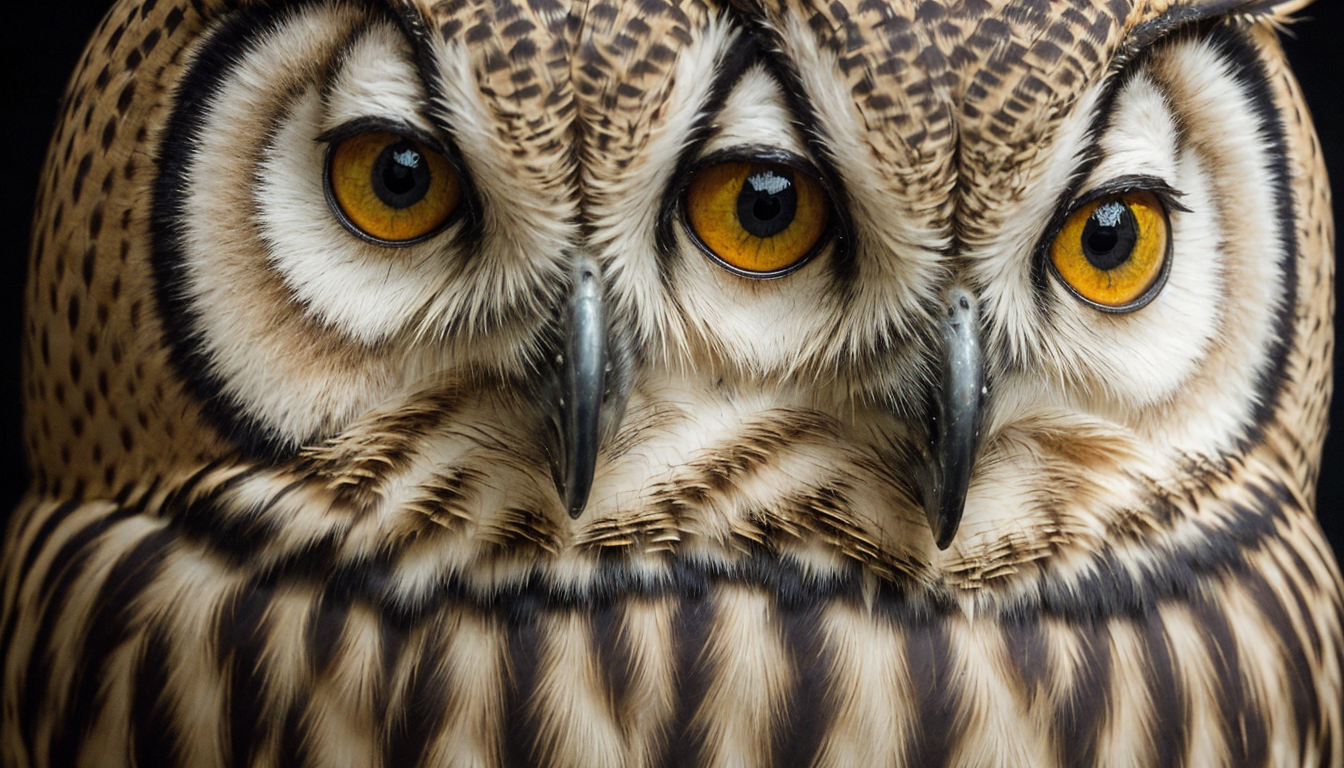
No Snooze: The Sleepless Birds of 2026
TL;DR
- Certain bird species do not sleep in the traditional sense due to evolutionary adaptations and unique biological needs.
- Lack of sleep can be attributed to their nocturnal or diurnal habits, which are driven by environmental factors such as predation risk and resource availability.
- The biological clock (circadian rhythm) plays a crucial role in regulating these behaviors, but some birds have adapted mechanisms to circumvent the need for regular sleep.
- Observing these sleepless bird species requires specialized techniques due to their nocturnal nature.
Understanding Sleeplessness in Birds

Sleep is a universal phenomenon across many animal species, including birds. However, certain avian species exhibit unique patterns of behavior that seemingly bypass traditional sleep requirements. This section delves into the biological mechanisms and evolutionary adaptations that enable these birds to remain active without entering a state of rest.
Evolutionary Adaptations for Sleeplessness
The ability to function without sleep is an adaptation that has evolved in response to specific environmental pressures. For instance, some bird species have developed physiological traits that allow them to cope with high predation risks or resource scarcity by remaining vigilant and alert at all times. These adaptations often involve changes in brain chemistry and neural pathways.
Key Adaptations
- Enhanced Alertness: Some birds may develop heightened sensory capabilities, allowing them to detect threats more efficiently.
- Neural Plasticity: The brain structure of sleepless birds might exhibit greater plasticity, enabling continuous cognitive function without the need for restorative sleep.
- Metabolic Efficiency: These species often have metabolic adaptations that allow sustained energy levels over extended periods.
Biological Clock and Sleep Regulation
The biological clock, or circadian rhythm, is a crucial regulator of sleep patterns in most animals. However, some bird species exhibit deviations from this norm due to their unique evolutionary history and environmental pressures.
Circadian Rhythms
- Circannual Cycles: Some birds may follow annual cycles rather than daily ones, aligning their activity periods with seasonal changes.
- Photoperiodic Responses: The length of daylight triggers hormonal changes that affect sleep patterns. Birds in regions with prolonged darkness or constant light might have different circadian responses.
Mechanisms to Overcome Sleep
Certain species possess mechanisms that allow them to remain active despite the absence of traditional sleep states:
- Microsleeps: Some birds may enter brief periods of rest characterized by reduced brain activity, akin to microsleeps observed in humans during high-stress situations.
- Brain Lateralization: The ability to control specific regions of the brain independently allows one hemisphere to remain active while the other rests.
Historical and Cultural Context

Historically, observations of unusual bird behaviors have intrigued scientists and naturalists alike. Early records often lacked the scientific rigor necessary to understand these phenomena fully but laid the groundwork for modern research.
Historical Observations
- Ancient Literature: Accounts from ancient texts mention birds that appear to be perpetually active, though explanations were largely speculative.
- Early Scientific Studies: The first systematic studies on avian sleep patterns began in the 19th century, focusing on migratory and nocturnal species.
Cultural Significance
In various cultures around the world, certain bird species associated with unusual behaviors have been imbued with symbolic meanings. For example:
- Native American Myths: Some tribes believe that birds representing eternal vigilance are messengers from the spirit world.
- European Folklore: European folklore often attributes magical properties to nocturnal birds, suggesting they possess supernatural abilities.
Misconceptions and Clarifications

Several misconceptions surround sleepless birds, leading to incorrect assumptions about their health and behavior. Understanding these can help in formulating accurate observations and interpretations.
Common Myths Debunked
-
Myth: Sleepless birds are unhealthy or mentally unstable.
- Reality: Many species have evolved mechanisms that enable prolonged activity without compromising physical or mental well-being.
-
Myth: All nocturnal birds never sleep.
- Reality: While some nocturnal species exhibit reduced need for sleep, others still require periods of rest, albeit shorter than diurnal counterparts.
Scientific Clarifications
Observational Techniques
To study these elusive behaviors accurately, researchers employ advanced methods such as:
- GPS Tracking: Satellite-based tracking systems provide detailed movement patterns over extended durations.
- Neurological Monitoring: Implantable devices measure brain activity and metabolic rates in real-time.
Comparative Studies Between Sleeping and Non-Sleeping Birds
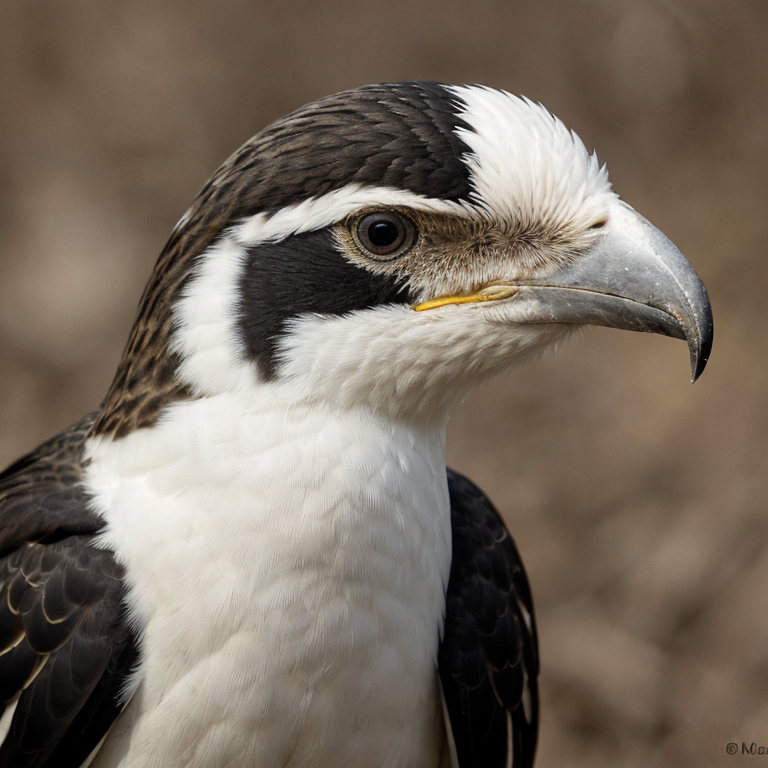
Understanding the differences between sleepless and regular sleeping birds is crucial for unraveling the complexities of avian biology. Comparative studies offer insights into how these adaptations have evolved and what advantages they confer to specific species.
Sleep Patterns Across Species
- Diurnal vs. Nocturnal: Diurnal birds typically follow a strict daily cycle, whereas nocturnal species often exhibit more flexible patterns influenced by environmental conditions.
Health Implications
Research indicates that while sleeplessness can be challenging for some animals, certain bird species have adapted to mitigate adverse health effects through unique physiological mechanisms.
Evolutionary Insights
Comparative genomics and behavioral studies suggest that sleepless adaptations might arise from convergent evolution where different species independently develop similar traits in response to shared environmental challenges.
Conclusion
The phenomenon of sleeplessness in birds is a testament to the remarkable adaptability of nature. By understanding the biological, evolutionary, and cultural contexts surrounding these behaviors, we gain valuable insights into how life on Earth has evolved to cope with diverse environmental pressures. Future research will undoubtedly continue to uncover more about these fascinating avian species and their unique survival strategies.
Observing and studying sleepless birds requires a multidisciplinary approach that combines cutting-edge technology with traditional ecological methods. As our knowledge expands, so too does our appreciation for the intricate balance of life on this planet.