
Monsters that turned out to be real: for centuries, travellers' tales of strange animals were dismissed as exaggeration, and some of them turned out to be true. From the okapi to the giant squid, each of these animals was known to local people for generations before science caught up. The difference between a legend and a discovery is simple: a discovery comes with a specimen, bones or clear photographs. So sit tight and let’s dive into the stories behind these misunderstood monsters!
TL;DR
- Western scientists treated the okapi as a myth until a complete skin and skulls reached Britain in 1901.
- The mountain gorilla became a scientific fact in 1902, after a German army officer shot two in the Virunga mountains.
- Giant squid carcasses had washed up for centuries, but it took until 2004 to photograph one alive and 2012 to film one at depth.
- A 1992 find of strange horns in Vietnam led to the saola, a forest bovine nicknamed the Asian unicorn.
The Okapi: The Forest Giraffe

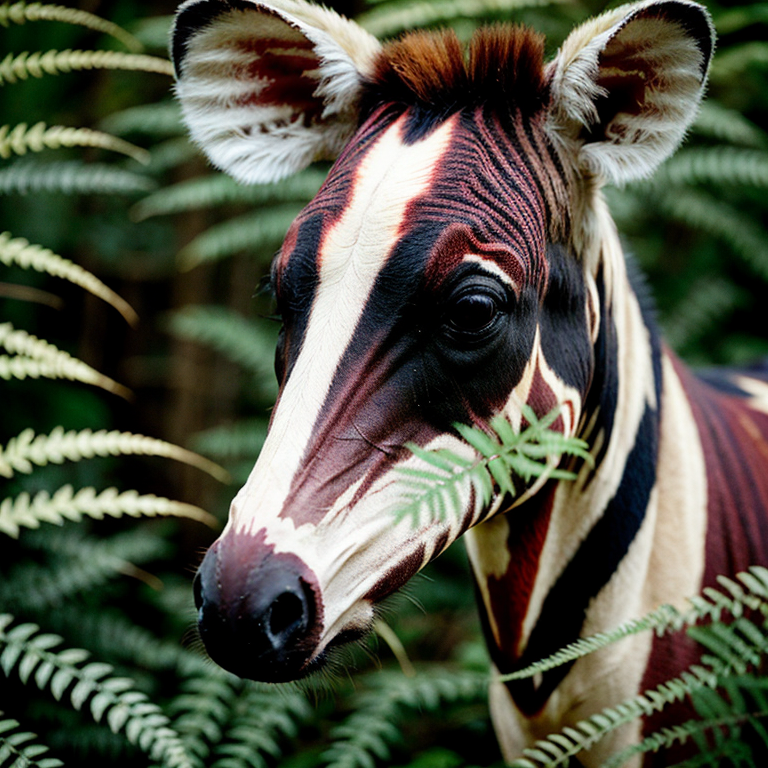
The okapi, a forest relative of the giraffe with striped legs, was dismissed as a myth by Western scientists until 1901, when British administrator Sir Harry Johnston, who had earlier obtained pieces of striped skin, received a complete skin and skulls from the forests of the Congo.
The Mountain Gorilla: The Ape That Was Ridiculed

Reports of giant apes in Africa were ridiculed for years. The mountain gorilla was only recognised by science in 1902, when German army officer Robert von Beringe shot two in the Virunga mountains. It was formally described in 1903.
The Giant Squid: Monster of the Deep

The giant squid, the likely basis of the kraken, was known from washed-up carcasses for centuries, but scientists had never seen a living one.
- First photographed alive in 2004.
- Filmed in its deep-sea home in 2012.
Those glimpses finally showed that the sailors’ tales had something real behind them.
The Saola: Asia’s Elusive Unicorn
In 1992, surveyors in Vietnam found strange horns in a hunter's home, which led to the discovery of the saola, a forest bovine so elusive that it is called the Asian unicorn. It is critically endangered.
The Megamouth Shark: A Surprise Off Hawaii
The megamouth shark was discovered in 1976, when a 4.5-metre shark was found tangled in a research ship's sea anchor off Hawaii. It was so unusual that it needed a species and a family of its own.
The Coelacanth: A Fish From the Dinosaur Days
The coelacanth, a fish thought to have been extinct for 66 million years, was found in a fishing net off South Africa in 1938.
The Bottom Line
For every okapi there are thousands of legends that never produced a body, and confirmed discoveries came with a specimen or clear evidence, not with blurry pictures. Most new animals found today are fish, insects or small mammals in remote regions, and large land animals are very rare discoveries, because we have explored most of the land. Scientists describe well over ten thousand new species every year, mostly insects and other small creatures.
So keep those binoculars handy, but remember that the next big discovery is more likely to be a small creature in a remote corner of the world than a monster.
The Weird Report Cryptid Desk treats legends as legends: the history above is documented, the verdict is our own opinion, and no creature here has been confirmed by science.
As an Amazon Associate, The Weird Report earns from qualifying purchases. Product links above are suggestions related to this article; they don't affect what we write.