The Bloop! It's a sound so loud that some people wondered if Cthulhu was waking from his deep sea slumber. In 1997, an underwater microphone array run by NOAA recorded an extremely loud, rising sound in the Pacific Ocean. Was it a monster or just another day at sea? We'll dive into the facts, the fiction and the verdict.
TL;DR
- In 1997, a NOAA underwater microphone array recorded a loud, rising sound that researchers nicknamed the Bloop.
- It was louder than any known animal, including the blue whale.
- In 2005, NOAA scientists said the sound matched that of a large icequake.
- A living animal big enough to make that sound would be far larger than any animal known to have existed.
Where Did the Bloop Come From?
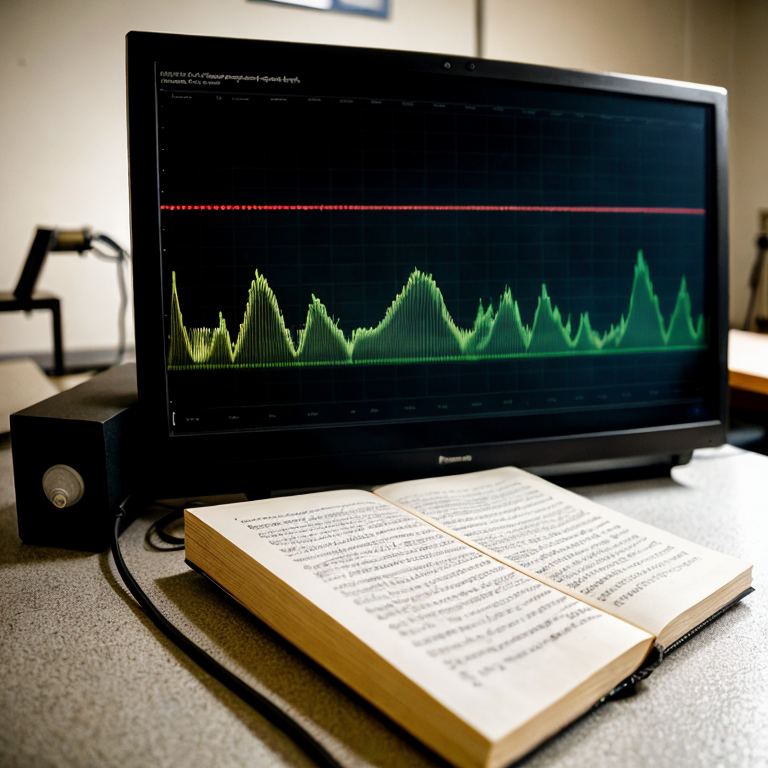
In 1997, an underwater microphone array run by the US National Oceanic and Atmospheric Administration (NOAA) recorded an extremely loud, rising sound in the Pacific Ocean, and researchers nicknamed it the Bloop. The sound was picked up by multiple underwater sensors at a range of more than 5,000 kilometres (3,100 miles), which means its source was very loud. It was traced to the south-east Pacific, west of the southern tip of South America.
Internet fans noticed that this was in the same broad stretch of the South Pacific as the fictional R'lyeh, the sunken city of the monster Cthulhu in H. P. Lovecraft's 1928 story "The Call of Cthulhu", though roughly 2,000 kilometres away.
Was It Really That Loud?
The Bloop might sound like something out of a Lovecraft story, but the evidence points to a less sinister explanation. It was louder than any known animal, including the blue whale, whose calls are among the loudest sounds made by any animal. That is what set imaginations racing.
The recording's frequency rose steadily for about a minute. That odd, rising signature is part of what made it so memorable, and what made it so hard to match to any animal.
Was It Just a Big Freeze?

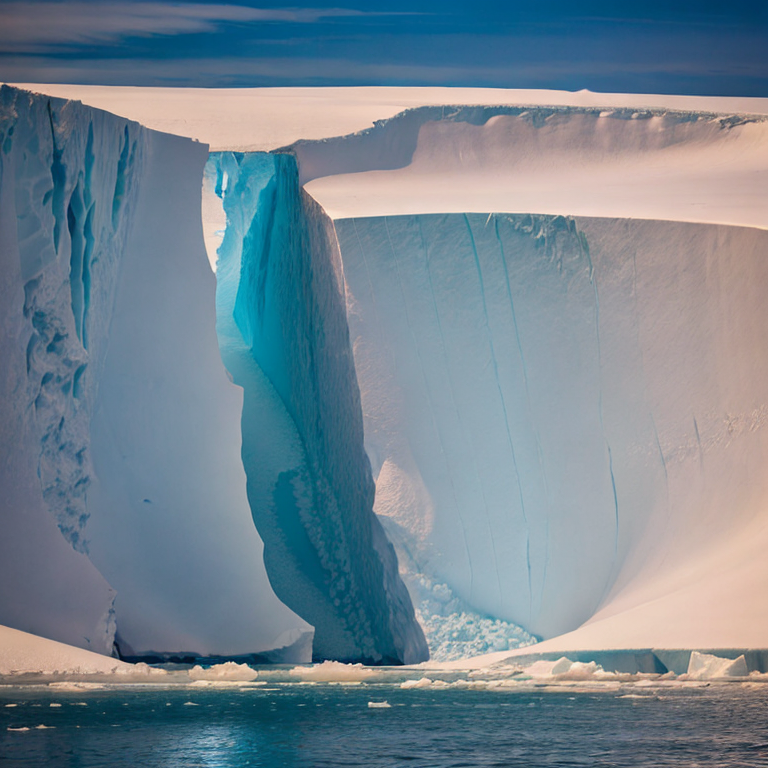
In 2005, researchers at NOAA dropped some cold water on the Bloop mystery: NOAA scientists said the sound matched that of a large icequake: a huge chunk of ice breaking off an Antarctic glacier or ice shelf.
The alternative is hard to believe. A living animal big enough to make that sound would be far larger than any animal known to have existed, and would have been seen. So while the Bloop could still rattle your imagination, science suggests it’s just nature doing its thing in the frozen south.
Could There Still Be Surprises?

Hydrophones listen for everything from earthquakes to whale calls, and many strange ocean sounds have since been explained, from ice cracking to underwater volcanoes. But according to NOAA, less than a third of the global seafloor has been mapped to modern high-resolution standards, and only a tiny fraction of the ocean has been explored, so there’s plenty we don’t know about what lurks beneath the waves. So while the Bloop might not be Cthulhu stirring, it sure hints at the vast mysteries still hiding in our deep blue backyard.
The Verdict: Explained: ice, not a monster (1/10)
So, if you were holding your breath for an interdimensional horror to rise from the deep, you can exhale: it’s just ice breaking. In 2005, researchers at NOAA put the Bloop firmly in the freezer section of the cryptozoological supermarket. They said the sound matched a large icequake - a natural phenomenon that doesn’t need an ancient evil deity to explain it.
Plausibility rating: 1/10 - Explained: ice, not a monster. So there’s no need for your scuba gear; the next big oceanic noise you hear is probably just nature doing its thing. Keep those ears peeled, but don't get too excited - it's just another day in the deep blue sea.
The Cryptid Desk files these stories with a wink. The documented history is real, the rating is a judgement call, and nothing here counts as proof of anything.
As an Amazon Associate, The Weird Report earns from qualifying purchases. Product links above are suggestions related to this article; they don't affect what we write.