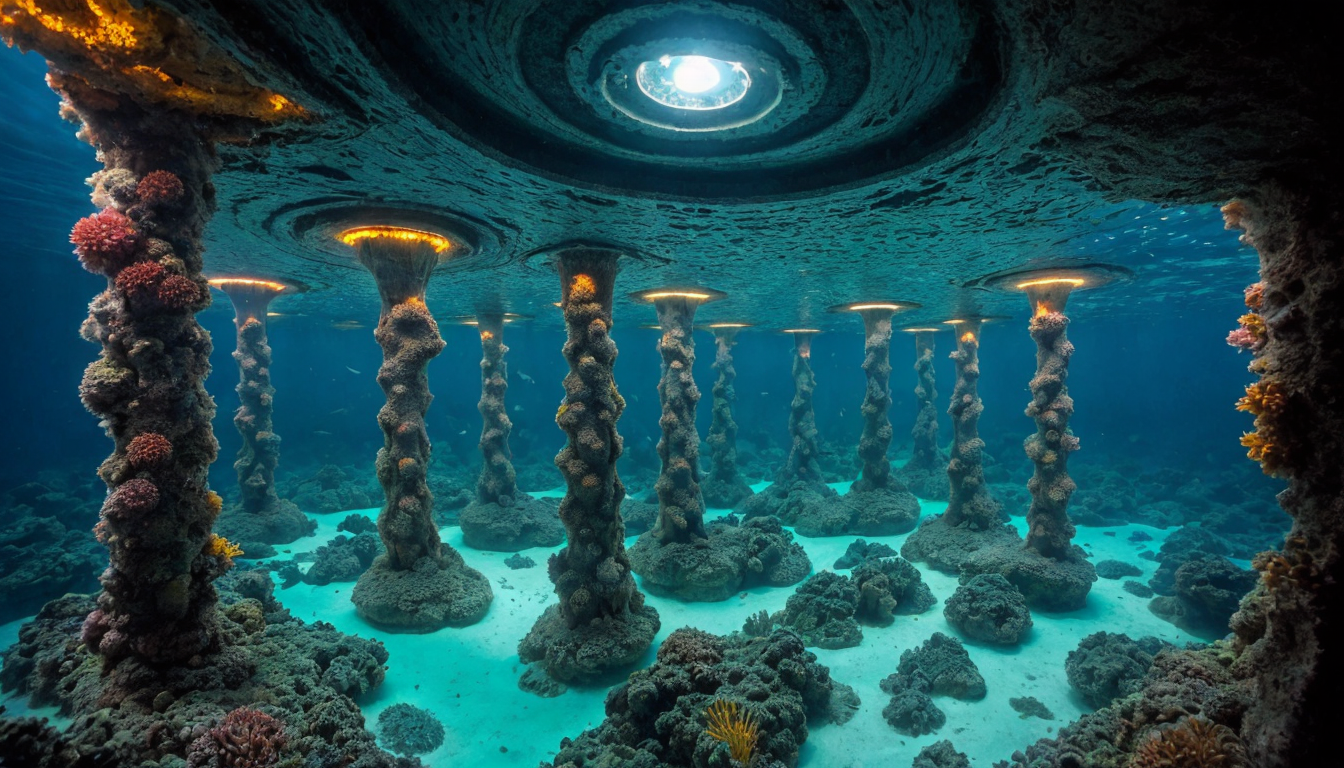
Discover Hidden Underwater Cities You Won't Believe Exist
TL;DR
- Mysterious Submerged Metropolises: Explore rare underwater urban settlements scattered across the world's oceans.
- Archaeological Marvels: Uncover ancient cities that have been hidden beneath the waves for centuries.
- Modern Engineering Wonders: Discover submerged structures built in recent decades by human ingenuity.
- Biodiversity Hotspots: Understand how these underwater cities support unique marine ecosystems.
- Ongoing Exploration: Learn about current efforts to map and study these underwater marvels.
Mysterious Submerged Metropolises
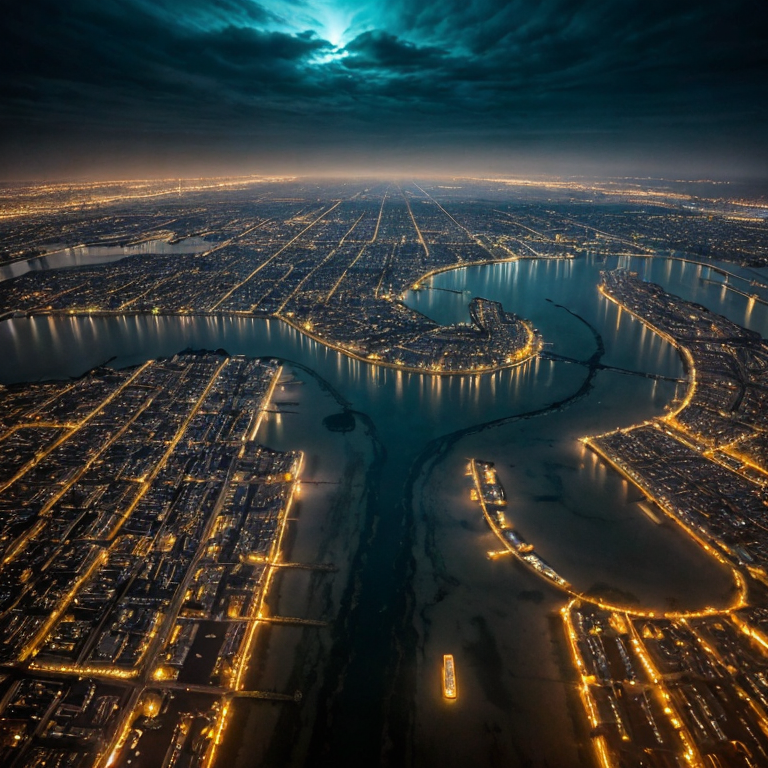
Historical Settlements
The world's oceans hide a variety of submerged settlements that have captivated the curiosity of archaeologists, historians, and explorers. These cities range from ancient ruins that date back thousands of years to more recent constructions that were abandoned due to various factors such as war, natural disasters, or changing sea levels.
Yonaguni Monument (Japan)
One of the most famous submerged structures is the Yonaguni Monument located off the coast of Japan. Discovered in 1986 by a local diver named Kihachiro Aratake, this massive rock formation has been suggested to be an ancient city built around 5000 BCE. However, its origin remains a subject of debate among scholars and researchers.
Dwarka (India)
Another notable submerged city is the legendary city of Dvaraka in India's Gujarat state. According to Hindu mythology, this was the capital of Lord Krishna and dates back over 9,000 years. Archaeological evidence suggests that parts of this ancient city are indeed submerged beneath the Arabian Sea.
Modern Submerged Cities
In addition to historical settlements, there are also modern structures that have become underwater cities due to various circumstances. These include man-made islands and cities built for specific purposes but later abandoned or submerged intentionally.
Atlantica (Spain)
Atlantica is a former tourist attraction located off the coast of Spain near Benidorm. Built in 1986, it was an attempt at creating a submerged hotel complex designed to attract divers and marine enthusiasts. However, due to financial difficulties and safety concerns, the project was abandoned after just a few years.
Sunken Cities of the Aegean Sea
The Aegean Sea contains several sunken cities that were once inhabited by ancient Greek civilizations. These include Pavlopetri in Greece, which is one of the oldest submerged archaeological sites in the world and dates back to at least 3000 BCE. Another example is the city of Damastion in Libya, which was an important trading center during the Phoenician era.
Rare Underwater Urban Settlements
Cultural Significance
These underwater cities not only provide a window into the past but also offer insights into ancient cultures and their relationship with marine environments. They often serve as tangible links to historical narratives that have been passed down through generations via oral traditions, literature, and religious texts.
Atlantis (Mythical City)
Although never conclusively proven to exist, the mythical city of Atlantis continues to inspire fascination among researchers and enthusiasts alike. While there is no scientific evidence supporting its existence, numerous theories suggest potential locations around the world, including underwater sites in the Mediterranean Sea.
Modern Submerged Cities
More recent examples include artificial islands such as those found off the coast of Dubai, which were designed for luxury tourism but later abandoned due to economic downturns or environmental concerns. These structures often become habitats for diverse marine life once they are left unattended and submerged by rising sea levels.
Underwater Archaeological Sites
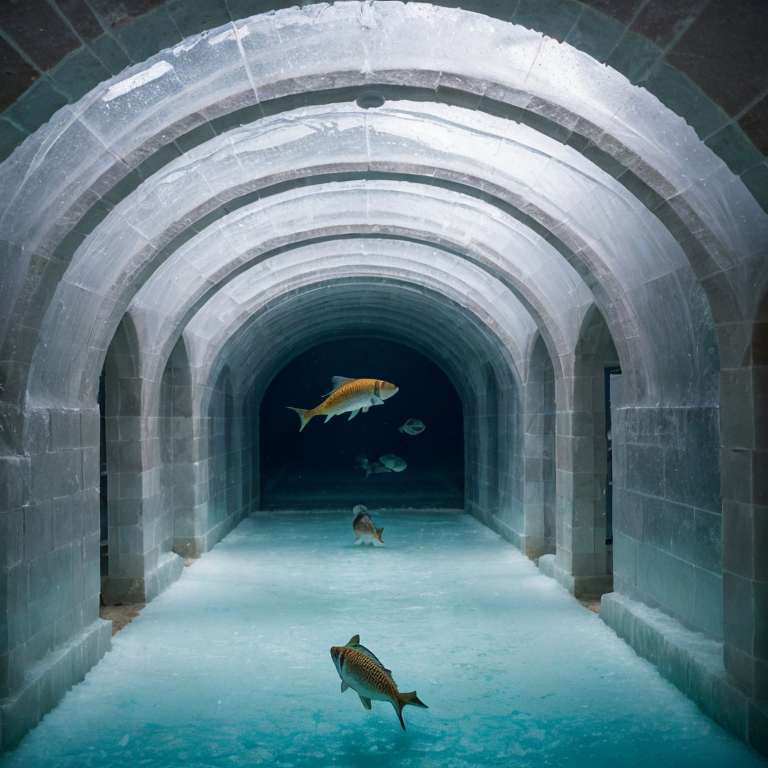
Importance of Marine Archaeology
Marine archaeologists play a crucial role in uncovering these hidden treasures beneath the waves. Through advanced technologies such as sonar imaging, remote-operated vehicles (ROVs), and manned submersibles, researchers can explore depths previously inaccessible to humans.
Preservation Challenges
Preserving these underwater cities presents unique challenges due to factors like corrosion from saltwater, biological encrustation by marine organisms, and physical damage caused by human activities such as fishing trawling or oil exploration. Therefore, international efforts are being made to protect these sites through agreements like the UNESCO Convention on the Protection of Underwater Cultural Heritage.
Biodiversity Hotspots
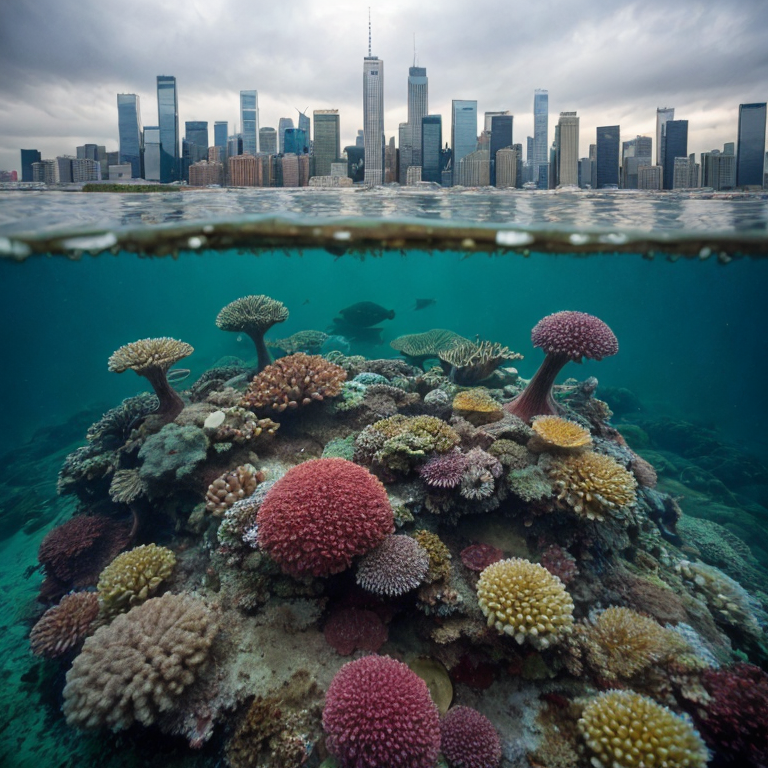
Ecosystems Supported by Submerged Cities
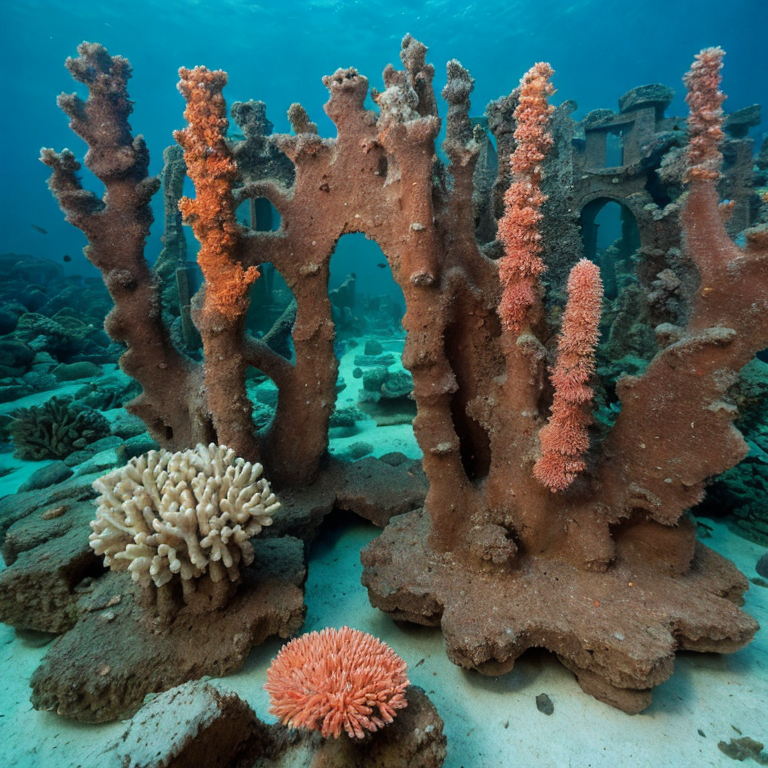
These underwater cities often become thriving ecosystems supporting a wide variety of marine life. The structures provide shelter and breeding grounds for fish, crustaceans, mollusks, and other organisms that thrive in these environments.
Coral Colonies
Many submerged ruins serve as ideal locations for coral colonies to grow, creating complex reef systems that support biodiversity. For instance, the Yonaguni Monument has become a haven for various species of corals and fish due to its unique geological features.
Ongoing Exploration
Recent Discoveries
Advancements in technology continue to aid in uncovering new underwater cities and structures around the globe. Recently, researchers have discovered ancient harbors off the coast of Israel that predate those found in Greece by several centuries.
Future Prospects
As marine archaeology advances, there is potential for discovering even more hidden treasures beneath our oceans. Ongoing projects focus on using satellite imagery to identify potential underwater sites and deploying advanced robotics to explore them without causing damage.
Conclusion
The existence of these mysterious underwater cities challenges our understanding of human history and interaction with the oceanic environment. From ancient ruins shrouded in myth to modern marvels reclaimed by nature, each submerged city tells a unique story about our past and present relationship with the seas. As we continue to explore and preserve these hidden wonders, they offer invaluable insights into cultural heritage, marine biodiversity, and the enduring human quest for knowledge.