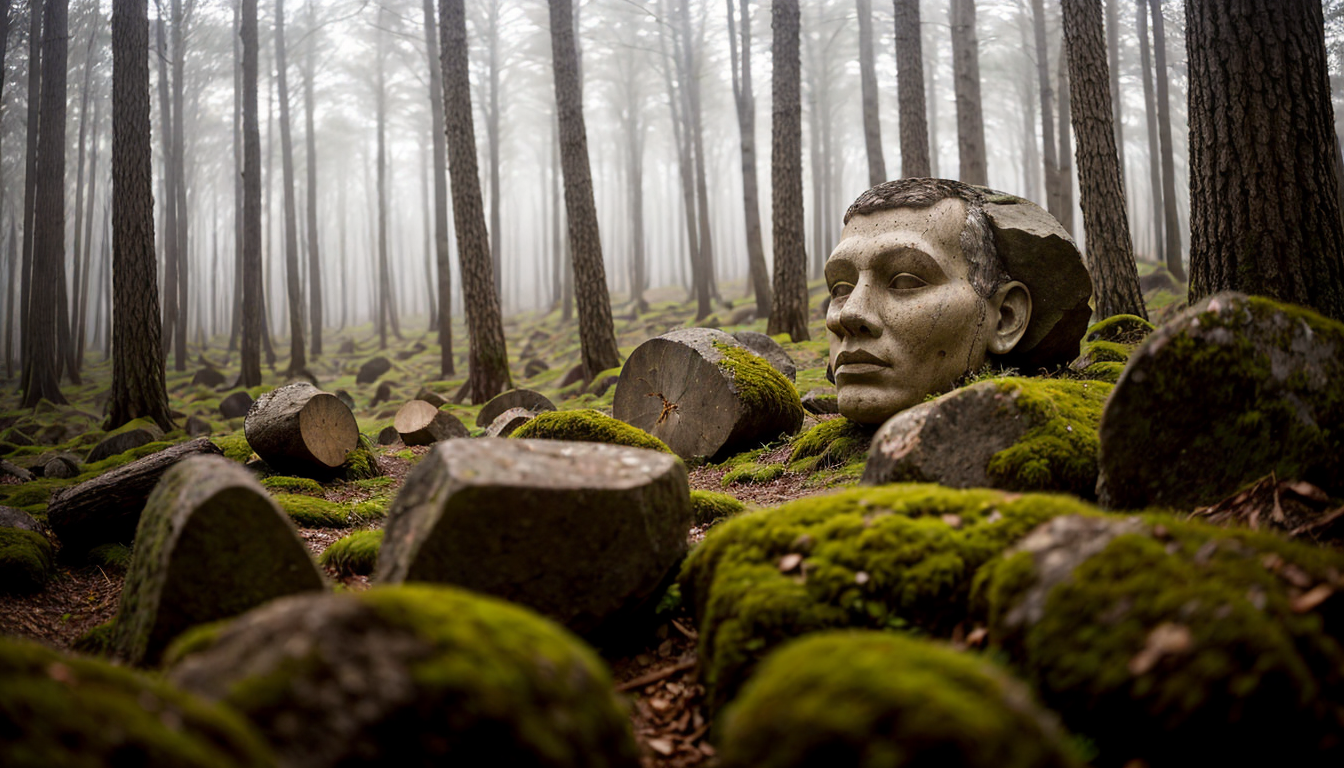
Why we see monsters isn't just about the thrill of the unknown - it's about how our brains work. Take the famous face on Mars: in 1976, NASA's Viking 1 orbiter photographed a mesa that looked like a human face, and for years people wondered what it meant. Then sharper images from 1998 and 2001 showed an ordinary hill. So why did we see a face there? Dive into the science of why so many honest people see things that are not there.
TL;DR
- Pareidolia is the tendency to see faces or familiar shapes in random patterns, like the man in the moon.
- Newborn babies prefer face-like patterns within hours of birth, which shows how strongly the brain is tuned to faces.
- Sleep paralysis, in which people wake unable to move and often sense a figure in the room, feeds ghost and monster stories.
- Misidentification explains a huge share of cryptid reports: bears for Bigfoot, otters for lake monsters and owls for winged figures.
Why Do We See Faces Where There Are None?
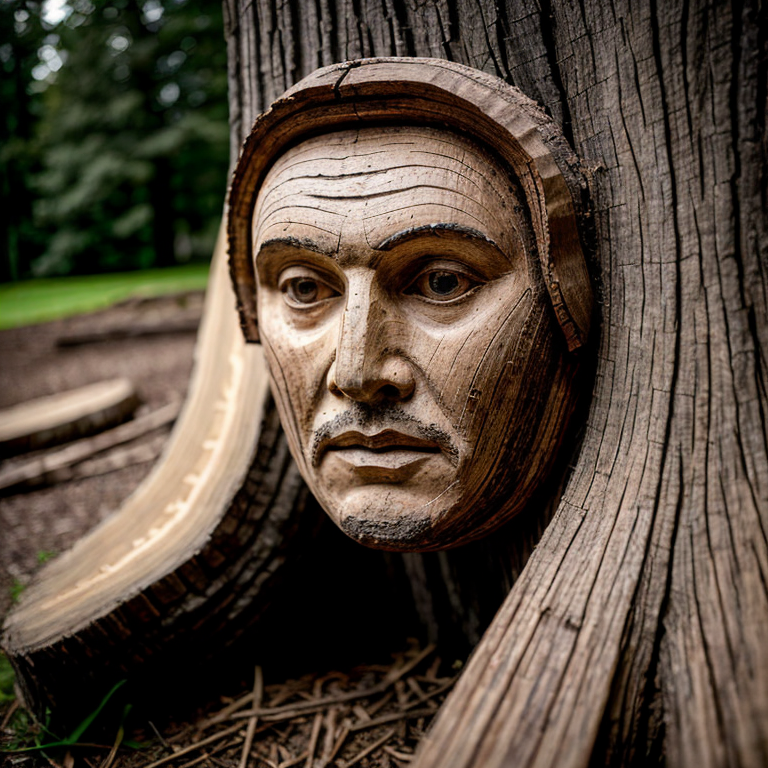
Our brains are like overzealous detectives, always on the hunt for familiar shapes and patterns - whether they're really there or not. Pareidolia is the tendency to see faces or familiar shapes in random patterns, like the man in the moon or a face in the clouds. The word 'apophenia', meaning seeing meaningful patterns in random data, was coined by German psychiatrist Klaus Conrad in 1958.
In 1976, NASA's Viking 1 orbiter photographed a mesa on Mars that looked like a human face. Later, sharper images from 1998 and 2001 showed an ordinary hill. Our eyes play tricks on us, turning ordinary landscapes into something more meaningful than they actually are.
Are We Wired for Faces?

Humans are wired for faces: newborn babies prefer face-like patterns within hours of birth, and a part of the brain called the fusiform face area helps us recognise faces quickly. But why does this lead us to see monsters and ghosts?
One reason is sleep paralysis, in which people wake unable to move and often see or sense a figure in the room. It is a common experience that feeds ghost and monster stories, and it has been described in many cultures. So while you might think you saw Bigfoot or a ghost, your brain may just be playing tricks on you.
Do Monsters Hide in Our Minds?

So what really explains it? Confirmation bias, a term from research by psychologist Peter Wason in the 1960s, is our habit of noticing evidence that fits what we already believe. And eyewitness memory is reconstructive: studies by Elizabeth Loftus show that details in memories can change after the event, especially with leading questions. Carl Sagan popularised the saying that extraordinary claims require extraordinary evidence. So when you see a monster in the mist, it might just be your mind filling in the blanks.
Could a Fan Make a Ghost?
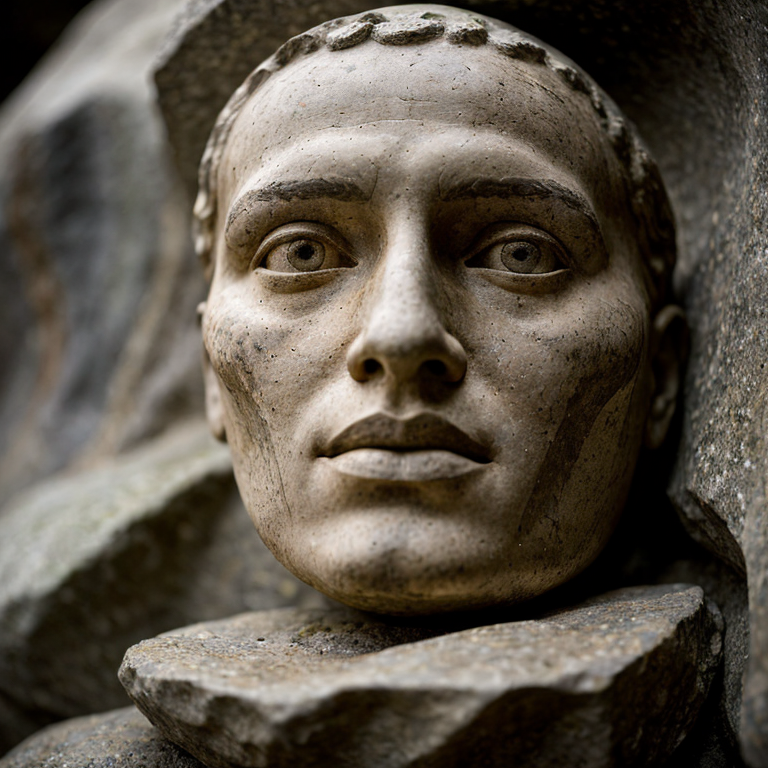
Infrasound, sound below the range of hearing, has been linked to feelings of unease. In 1998, Vic Tandy and a colleague reported that a 19 hertz standing wave from a fan in a supposedly haunted laboratory might explain feelings of a presence.
Another factor is our eyes. Low light and peripheral vision make mistakes common, because the rods in the eye that handle dim light are poor at detail and colour. This means that in foggy forests or dark rooms, your brain might fill in the gaps. Misidentification explains a huge share of cryptid reports, from bears mistaken for Bigfoot to otters taken for lake monsters.
The Bottom Line
In the end, seeing monsters is often less about what’s out there in the dark and more about how our brains work in that dim light. Our minds are wired to spot patterns even when they’re not really there, filling gaps with fears and fantasies based on what we already believe.
So next time you catch a glimpse of something lurking in the shadows, remember: it might just be your brain playing tricks on you - because sometimes, the scariest monster is the one hiding inside our own heads.
Filed by the Cryptid Desk. The jokes are ours, the history is on the record, and the monster, as always, remains unconfirmed.
As an Amazon Associate, The Weird Report earns from qualifying purchases. Product links above are suggestions related to this article; they don't affect what we write.


