Wasps and Their Astonishing Paper-Making Skills
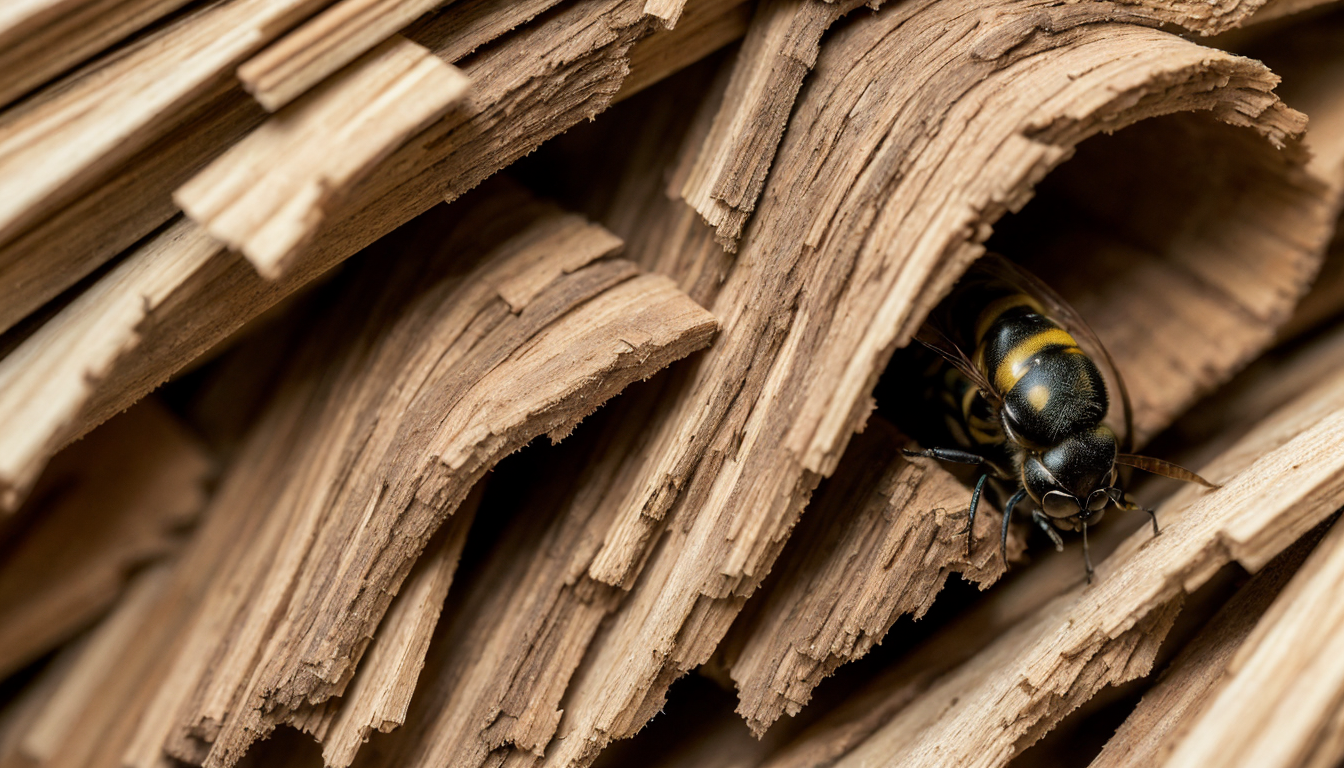
Wasps are known for their intricate and complex nests that resemble delicate paper structures. These insects have evolved an impressive ability to transform wood fibers into a durable material similar to paper. This process is not only fascinating but also provides valuable insights into natural construction techniques.
TL;DR:
- Wasps use saliva to break down wood fibers.
- The resulting pulp is molded into intricate nest designs.
- Different wasp species have unique nesting methods and materials.
- These nests are highly resistant to environmental damage.
- Humans can learn from nature’s paper-making process for sustainable building practices.
How Do Wasps Make Paper Out of Wood Fibers?
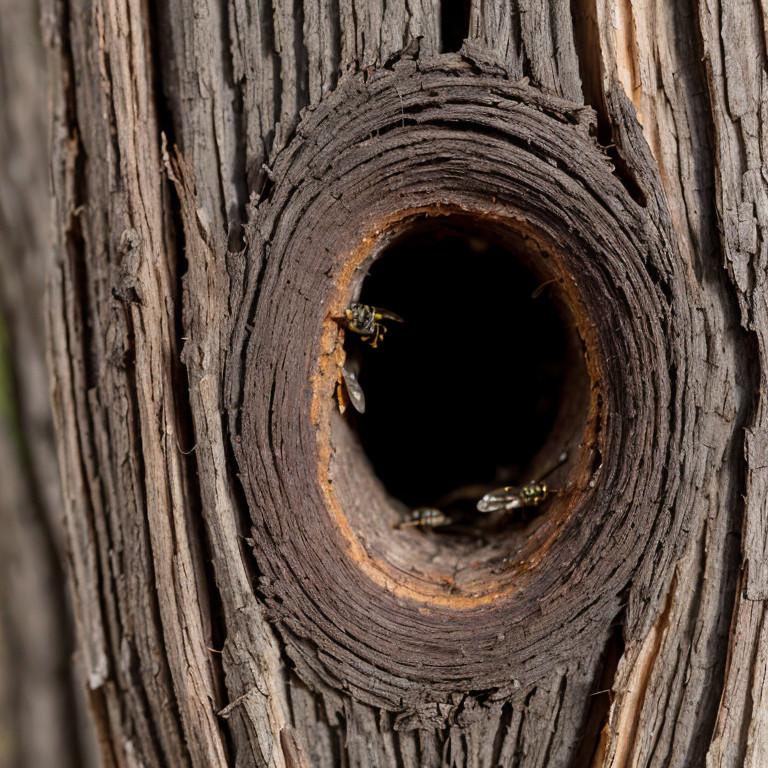
Wasps utilize a combination of wood fibers, saliva, and other natural substances to create their remarkable paper-like nests. The process begins with the wasp collecting wood particles from various sources such as dead trees, wooden structures, or bark. These pieces are then chewed up by the wasp, breaking them down into smaller fibers.
Saliva's Role in Breaking Down Wood Fibers
The saliva of a wasp contains enzymes that help break down and soften the wood fibers. As the wasp chews on these particles, its saliva acts as both a solvent and an adhesive, turning the raw materials into a malleable pulp. This pulp is then shaped and molded by the wasp to form intricate patterns and designs.
Molding the Pulp into Nests
Once the wood fibers are reduced to pulp, the wasp begins the process of construction. The pulp is extruded from the wasp’s mandibles in a thin layer that quickly dries into a hardened material resembling paper. This material is then layered and shaped according to the specific design requirements of the nest.
Historical Context: Wasps as Architects
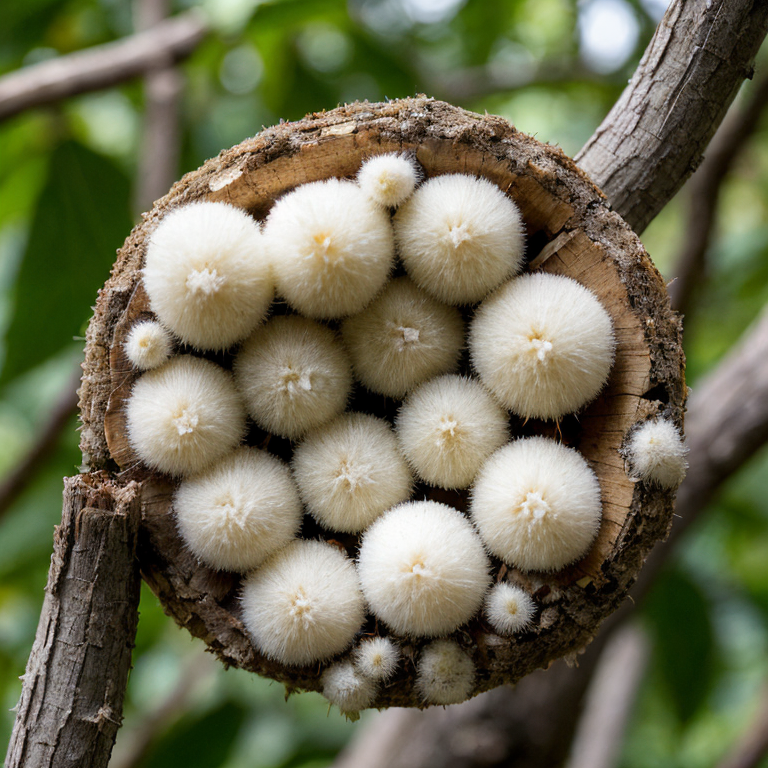
The ability of wasps to construct elaborate nests has been observed for centuries, with early naturalists noting the precision and complexity of these structures. Ancient civilizations such as the Egyptians and Greeks also documented wasp activity, recognizing their importance in the ecosystem.
Evolutionary Perspective on Wasp Nest Building
From an evolutionary standpoint, the development of paper-like nests by wasps is a remarkable adaptation that enhances survival rates for both individual insects and entire colonies. The durability and protective qualities of these nests provide shelter from predators and harsh weather conditions, ensuring better chances for offspring to survive.
Etymology: Words Derived From Wasp Nest Construction
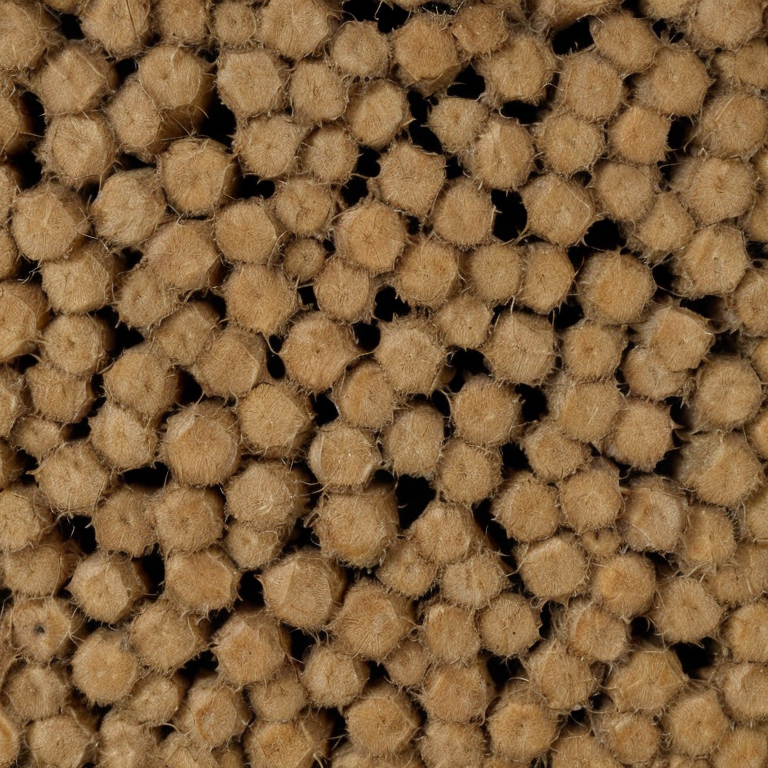
The term "paper" itself has roots in the natural construction methods observed in wasp nests. Early paper-making techniques were inspired by the structure and composition of wasp nests, leading to terminology that reflects this biological basis.
Cultural Significance of Wasps as Builders
In various cultures around the world, wasps are revered for their architectural prowess. The intricate designs and durability of these natural structures have influenced human construction practices throughout history, inspiring architects and builders to mimic nature’s methods in creating sustainable buildings.
Misconceptions About Wasp Nest Construction
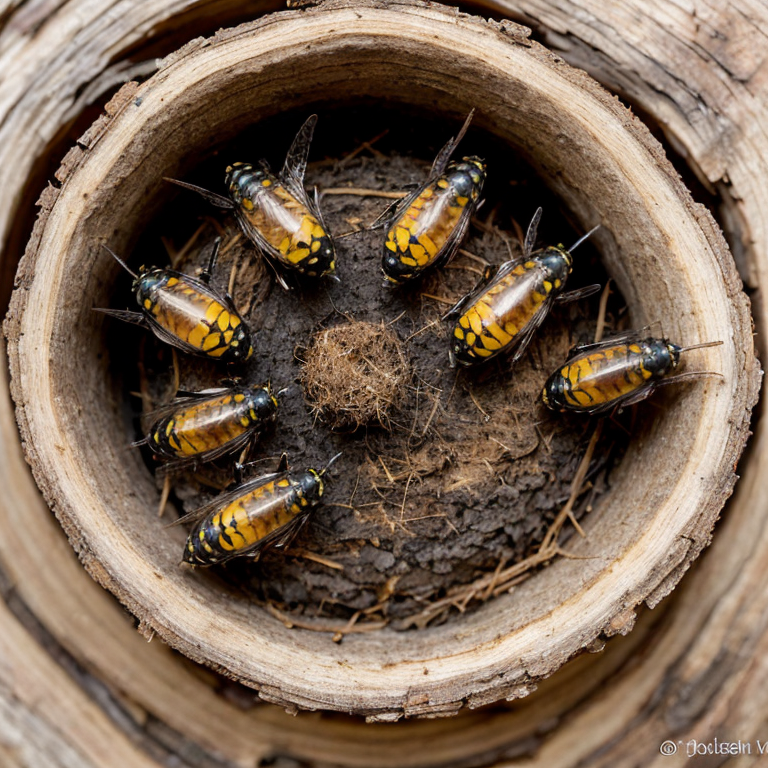
Despite the admiration for wasp nests, there are several misconceptions about how these insects create their homes. One common myth is that wasps use only wood fibers, while in reality, they often incorporate other materials such as plant resins and mud to enhance structural integrity.
Diverse Nesting Materials Used by Wasps
Different species of wasps utilize a variety of natural materials for nest construction beyond just wood fibers. For example, some tropical wasp species incorporate leaves or even spider silk into their nests, showcasing the adaptability and ingenuity of these insects in various environments.
Applications in Modern Construction
The principles behind wasp nest construction offer valuable lessons for contemporary architects and engineers seeking sustainable building solutions. By studying how wasps transform wood fibers into robust materials, researchers can develop new methods for eco-friendly construction that mimic nature’s efficiency and resilience.
Biomimicry: Learning from Wasp Nest Design
Biomimicry—drawing inspiration from natural systems to solve human problems—is an increasingly popular field of study. The intricate patterns and structural integrity of wasp nests provide a blueprint for creating buildings that are both environmentally friendly and highly durable, reducing waste and enhancing sustainability.
Conclusion
Wasps' ability to transform wood fibers into paper-like materials through saliva and careful construction showcases nature’s remarkable engineering capabilities. From historical observations to modern applications in sustainable building practices, the study of wasp nests continues to offer valuable insights into efficient and resilient design principles. As we continue to explore these natural phenomena, we can learn from the wisdom embedded within the intricate structures created by these tiny architects, applying their methods to create a more sustainable future for human construction.
By understanding how wasps make paper out of wood fibers, we not only appreciate the complexity of nature but also gain practical knowledge that can be applied in innovative ways across various fields.
As an Amazon Associate, The Weird Report earns from qualifying purchases. Product links above are suggestions related to this article; they don't affect what we write.