How Many Stars Can You See Without a Telescope?
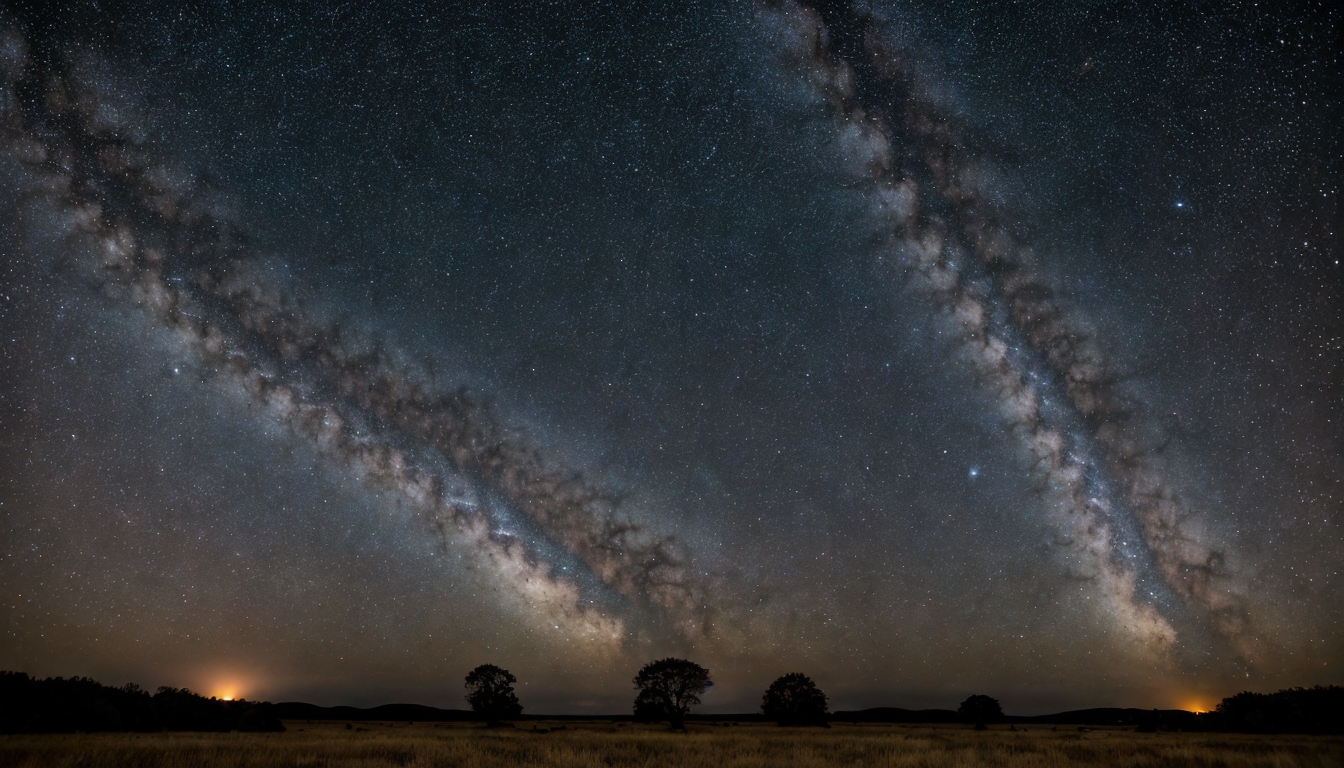
The night sky is a vast canvas of light and wonder, offering a glimpse into the cosmos beyond our planet. Counting stars visible from Earth without any optical aid can be both enlightening and challenging. This article delves into the number of stars you might see under ideal conditions and explores the factors that influence star visibility.
TL;DR
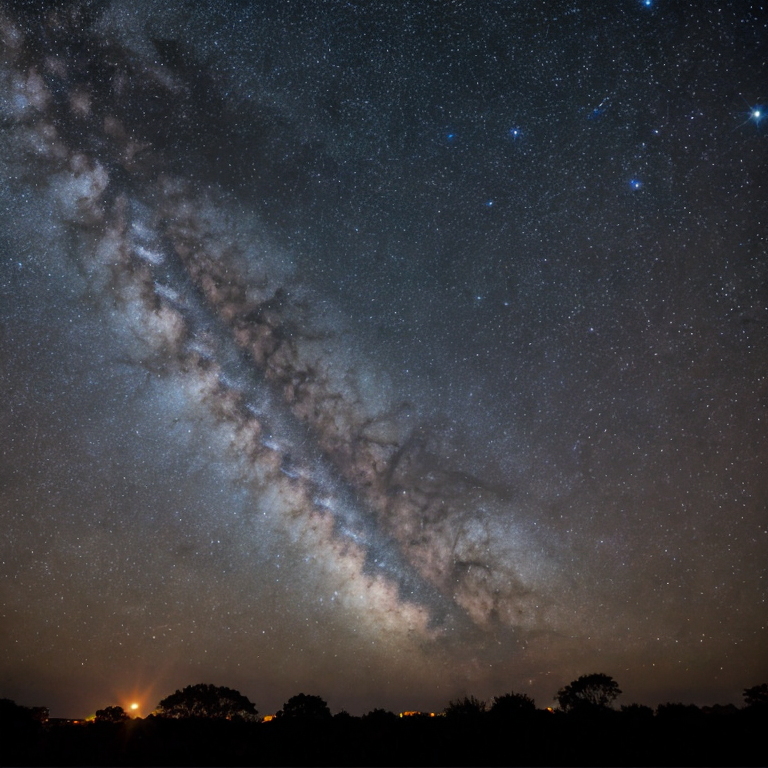
- Ideal Conditions: Dark skies away from city lights are best for star viewing.
- Visibility Range: Up to 2,500 stars may be visible on a clear night in dark locations.
- Human Limitations: The human eye has limitations on how many stars it can distinguish simultaneously.
- Sky Brightness Impact: Light pollution significantly reduces the number of visible stars.
- Seasonal Variability: Different times of year offer varying star visibility due to Earth's position.
Understanding Visibility

The number of stars visible from Earth depends largely on atmospheric conditions, light pollution, and the observer’s location. Ideal viewing conditions occur in remote areas far from urban centers where artificial lighting does not interfere with natural night sky brightness.
Atmospheric Factors
Atmospheric clarity plays a crucial role in star visibility. Clear skies devoid of cloud cover allow for optimal observation. Additionally, observing near the horizon may reveal more stars due to atmospheric refraction bending light towards the observer’s line of sight.
Light Pollution Impact
Light pollution from cities and towns dramatically reduces the number of visible stars by scattering artificial light into the night sky. This phenomenon is known as "skyglow," which can obscure thousands of celestial objects that would otherwise be visible in a dark environment.
Historical Context
Historically, humans have been fascinated by the night sky since ancient times, developing various systems to categorize and understand it. Early astronomers used simple tools like astrolabes to track stars and predict celestial events.
Ancient Star Counting
In antiquity, star counting was part of religious and cultural practices in many civilizations. The Greek astronomer Hipparchus is credited with creating one of the first star catalogs around 129 BCE, listing approximately 850 stars visible to the naked eye.
Modern Astronomy Basics
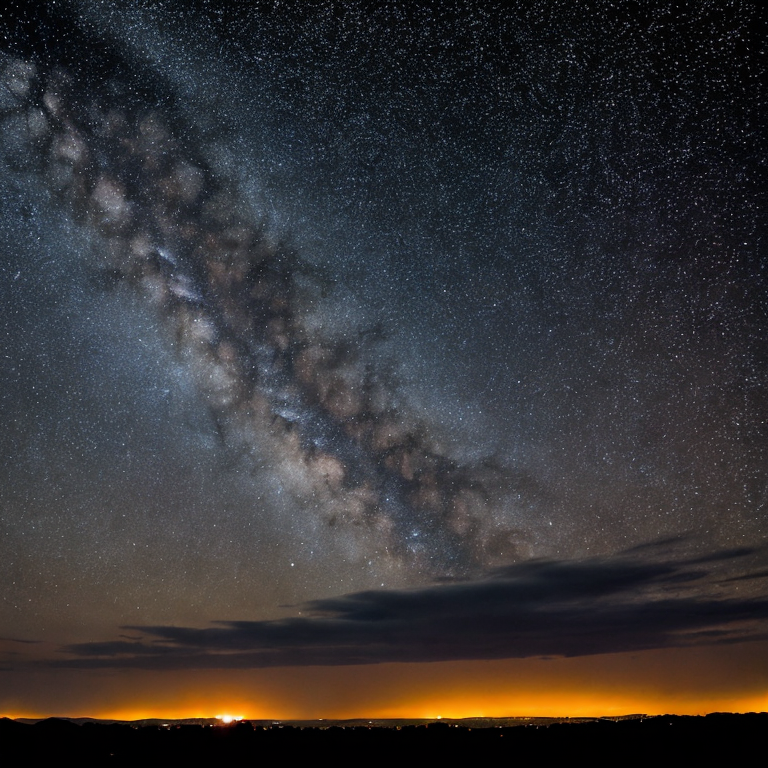
Modern astronomy employs sophisticated instruments like telescopes for detailed observations, but the human eye still plays a vital role in appreciating the night sky’s beauty. Understanding basic astronomical concepts helps in maximizing star visibility without equipment.
Naked Eye Observation
The human eye is sensitive enough to detect stars down to magnitude 6 under ideal conditions. Magnitude refers to the brightness of celestial objects as seen from Earth; lower magnitudes indicate brighter stars. The naked eye can typically distinguish between approximately 5,000 and 8,000 stars.
Dark Adaptation
Dark adaptation is crucial for optimal star visibility. It takes about 20 minutes for the human eye to fully adapt to darkness, enhancing night vision capabilities.
Cultural Significance
Stars have played significant roles in various cultures throughout history, influencing mythology, navigation, and timekeeping systems.
Navigation and Timekeeping
Ancient mariners used stars like Polaris (the North Star) for navigation. Similarly, ancient civilizations utilized star patterns to mark seasons and guide agricultural practices.
Mythology and Folklore
Stars feature prominently in mythologies across different cultures. For instance, the constellation Orion is associated with a hunter god in Greek mythology while being linked to a giant warrior named Osiris in Egyptian lore.
Misconceptions About Star Visibility
Several misconceptions exist regarding star visibility and naked-eye astronomy.
Myth: Counting Stars
Counting every visible star accurately from Earth is impractical due to the vast number of stars beyond human visual range. Estimates vary widely, but scientific consensus leans towards a few thousand being observable under perfect conditions.
Fact-Checking: Light Pollution Effects
Light pollution severely limits visibility compared to natural darkness, reducing the number of visible stars dramatically even in suburban areas.
Best Practices for Stargazing
To maximize star visibility without equipment, follow these tips:
- Find Dark Skies: Locate remote locations away from urban light sources.
- Plan Observation Times: Avoid moonlit nights which can obscure fainter stars.
- Use Binoculars Sparingly: While binoculars enhance views slightly, they should not replace the experience of observing with just your eyes.
Conclusion
Observing the night sky without a telescope is a rewarding and accessible way to connect with the cosmos. Under ideal conditions, you can expect to see up to 2,500 stars or more. However, factors such as light pollution significantly impact this number. By understanding these variables and following best practices for observation, anyone can enjoy the beauty of the night sky in its full splendor.
As an Amazon Associate, The Weird Report earns from qualifying purchases. Product links above are suggestions related to this article; they don't affect what we write.