
How Platypuses Break Biology Rules: Egg Laying and Lactation
Platypuses are a unique species of mammal that defy many traditional biological norms. While most mammals give birth to live young, platypuses lay eggs. Even more surprisingly, they produce milk for their offspring without having nipples or teats. This article delves into the fascinating biology behind these anomalies and explores what makes platypuses so extraordinary.
TL;DR

- Platypuses are monotremes—mammals that lay eggs instead of giving birth to live young.
- Female platypuses produce milk for their young, but do not have nipples or teats.
- The egg-laying and lactation processes in platypuses are adaptations that help them survive in aquatic environments.
- Platypus biology challenges conventional mammalian classifications due to its unique reproductive strategy.
Understanding Monotremes: Egg Laying Mammals
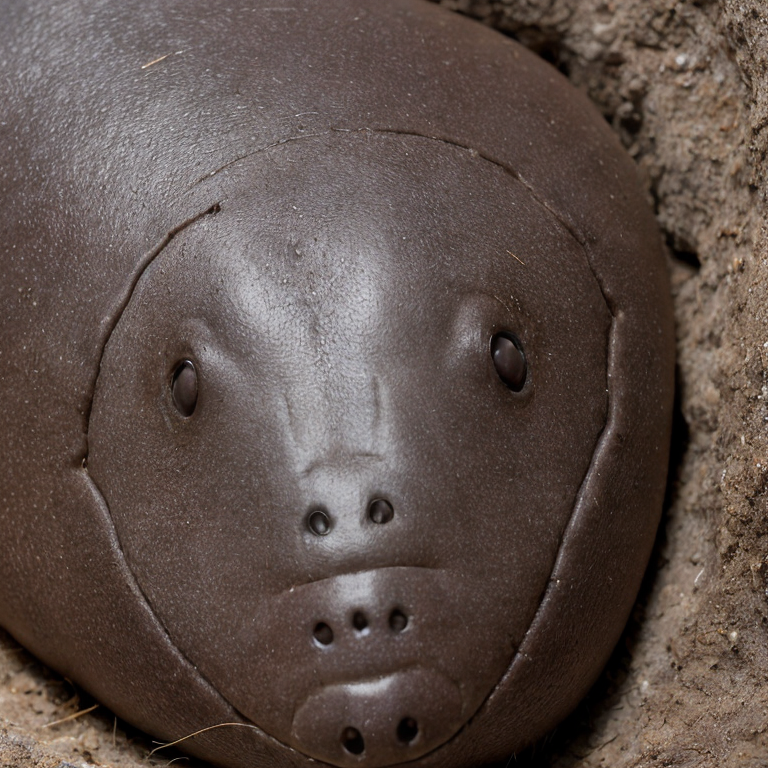
Monotremes are an ancient order of mammals characterized by their egg-laying ability. The only extant monotreme species are the platypus (Ornithorhynchus anatinus) and four species of echidna, which includes the long-beaked echidnas (genus Zaglossus) and the short-beaked echidna (Tachyglossus aculeatus). These animals diverged from other mammals around 166 million years ago during the Jurassic period.
Reproductive Physiology
Platypuses possess a unique reproductive system that combines traits of birds, reptiles, and typical mammals:
- Oviparous: Platypuses lay eggs like reptiles or birds.
- Mammary Glands: They have mammary glands similar to other mammals but lack nipples.
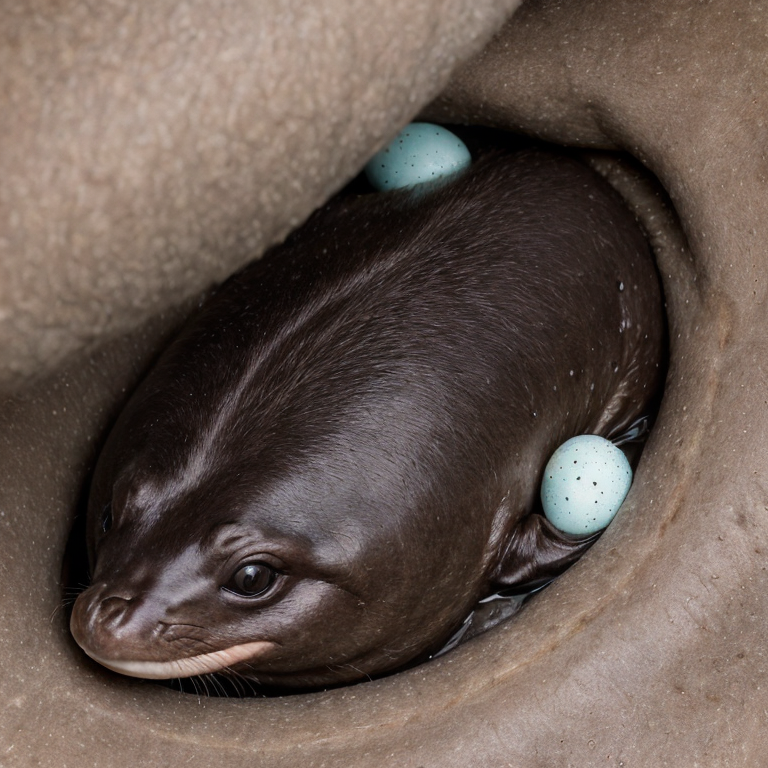
During mating season, male platypuses develop venomous spurs on their hind legs. The females then lay one to three leathery eggs in a burrow lined with vegetation and leaves. After about ten days of incubation, the eggs hatch, revealing tiny, hairless babies called puggles.
Lactation Without Nipples
Unlike most mammals, platypuses do not have nipples or teats for milk production. Instead, they secrete milk through specialized mammary glands that ooze milk onto their fur. The mother then licks this milk off her body to feed it to the young puggles.
Historical Context and Scientific Discovery

The discovery of monotremes was met with skepticism when first reported in Europe during the late 18th century. Early explorers sent specimens back to England, where scientists struggled to classify them due to their unusual characteristics. It wasn't until further study that researchers recognized platypuses as mammals despite laying eggs.
Evolutionary History
The evolutionary history of monotremes is complex and poorly understood compared to other mammalian orders. DNA analysis suggests that monotremes split from marsupials and placental mammals around 160 million years ago, during the Jurassic period. This divergence predates the development of many key features seen in modern mammals.
Cultural Significance
Platypuses hold cultural significance as a symbol of Australia's unique wildlife. They feature on stamps, coins, and logos representing Australian identity. However, their existence has also sparked scientific curiosity and debate about mammalian evolution.
Artistic Depictions
Early illustrations often depicted platypuses incorrectly or with exaggerated features due to lack of familiarity. Modern depictions strive for accuracy, showcasing the animal's distinctive bill, webbed feet, and fur-covered body.
Misconceptions About Platypus Biology
Several misconceptions surround the biology of monotremes:
- Egg-laying as Reptilian Trait: Some people assume that egg-laying is a reptile-like trait in platypuses. In reality, laying eggs evolved independently in monotremes.
- Lactation Without Nipples Implies Lack of Milk Production: Many believe that the absence of nipples means platypuses cannot produce milk. However, they have mammary glands and lactate just like other mammals.
Conclusion
Platypuses exemplify biological diversity by possessing traits unique among mammals. Their ability to lay eggs while producing milk challenges conventional mammalian classifications and highlights evolutionary adaptations specific to their environment. Understanding these anomalies provides insight into the complex history of mammalian evolution and underscores the importance of continued scientific research on lesser-known species.