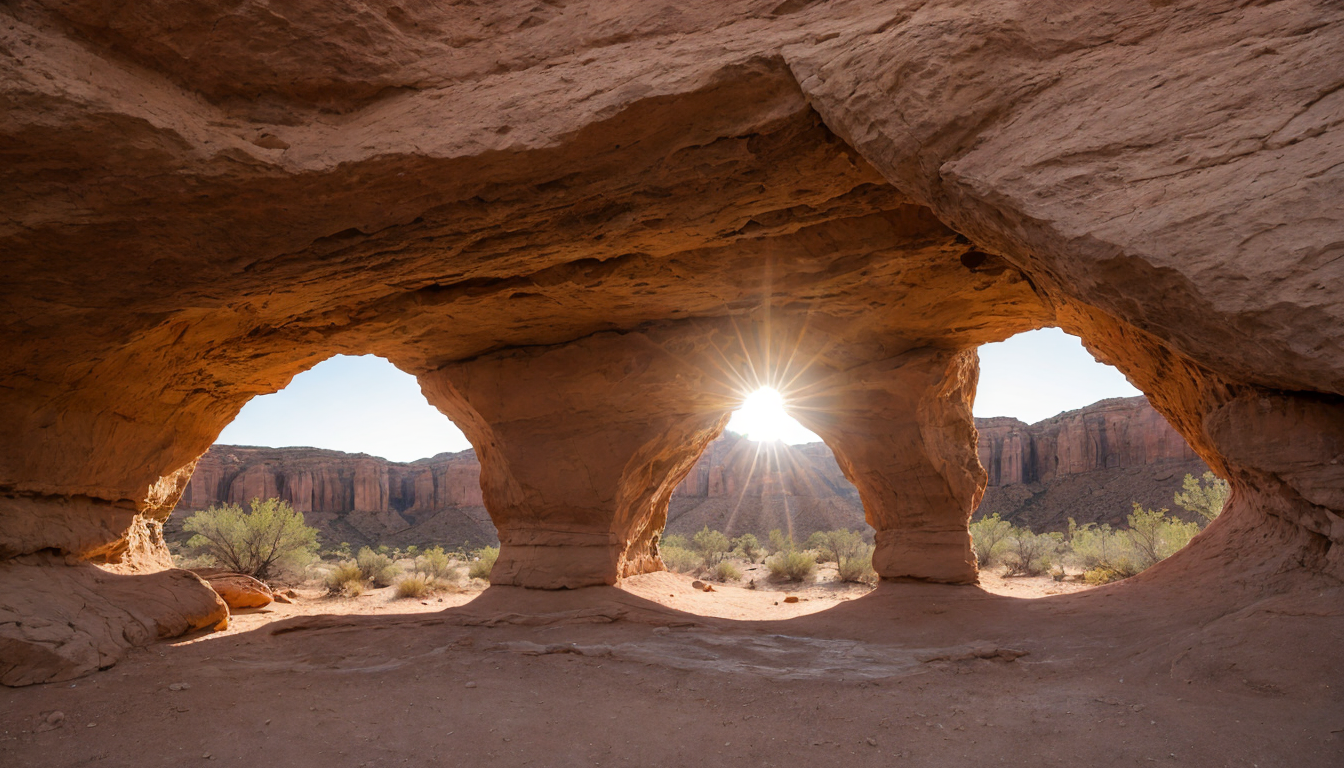
World's Weirdest Natural Bridges: Nature's Architectural Oddities
Natural bridges are some of the most captivating geological features on Earth. These structures, formed over millennia by water erosion and other natural processes, stand as silent testaments to the planet’s dynamic geology. From hidden caves to towering arches, these formations defy explanation and leave visitors in awe.
TL;DR
- Natural bridges form through various geological processes such as water erosion, tectonic activity, and chemical weathering.
- Some of the world's most bizarre natural bridge formations include the Devil’s Bridge at Bungoma, Kenya, and the Hidden Cave Arch in the United States.
- These structures serve both scientific and cultural purposes, offering insights into Earth’s history while also attracting tourism.
Geological Processes Behind Natural Bridges
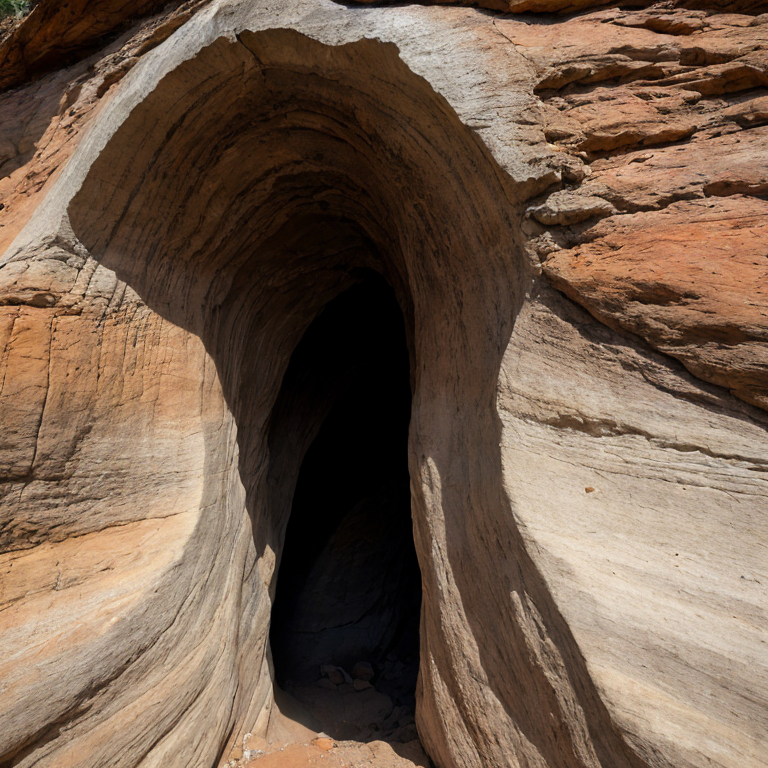
Natural bridges are primarily formed through erosion by water or wind. The process begins when a stream cuts through rock layers, creating a narrow canyon with vertical walls. Over time, the continuous flow of water creates small openings or caves in the softer stone on either side of the canyon. As these cavities grow larger and eventually connect across the rock layer above the riverbed, they form natural bridges.
Water Erosion
Water erosion is the most common process behind the formation of natural bridges. Rivers flowing through narrow canyons slowly wear away softer layers of rock, creating caves on either side of the canyon walls. As these caves expand and eventually meet, a bridge-like structure forms when the connecting ceiling remains intact.
Wind Erosion
Wind erosion plays a secondary role in some arid environments where water is scarce but strong winds are prevalent. Over time, wind carries sand and small particles that gradually wear away softer rock layers, contributing to the formation of natural bridges alongside other erosional processes.
Historical Significance and Discovery
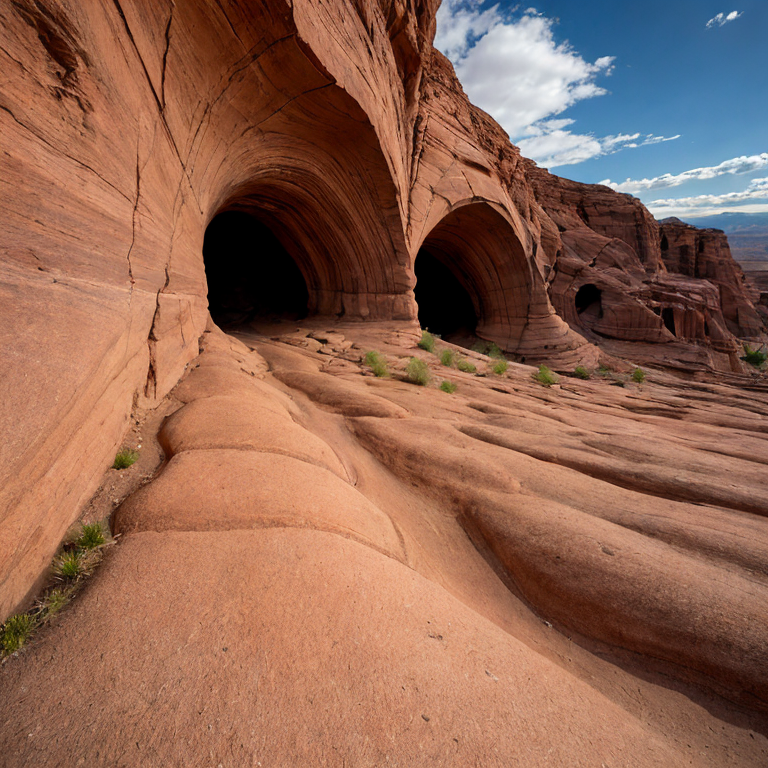
Natural bridges have been recognized by various cultures throughout history for their unique beauty and spiritual significance. Early explorers often recorded these formations in their journals and maps, marking them as landmarks or potential sites for further exploration.
Early Exploration Records
Early European explorers documented natural bridge formations upon encountering them during expeditions across North America and other continents. These records helped to establish a scientific understanding of the geological processes involved in creating such structures.
Cultural Importance Across Cultures
In many indigenous cultures, natural bridges are considered sacred sites with spiritual or religious significance. They often feature prominently in local folklore and serve as gathering places for community events and rituals.
Etymology and Naming Conventions
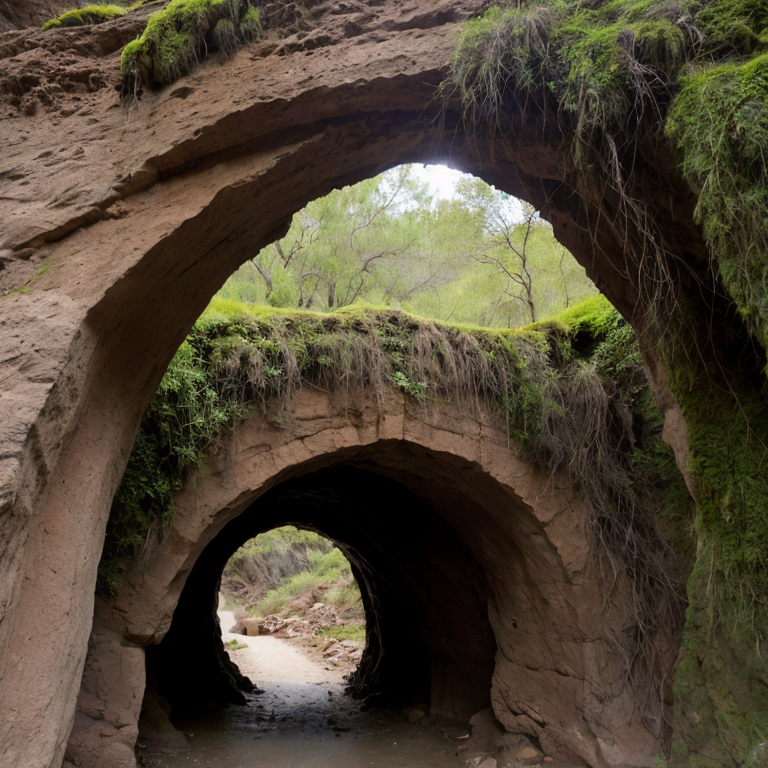
The term "natural bridge" is derived from the English language, reflecting the resemblance of these geological formations to man-made arches and bridges. The naming conventions vary widely across different regions based on cultural influences and geographical contexts.
Common Names in Different Regions
-
United States: Many natural bridges are named after prominent figures or notable events related to their discovery. For instance, Natural Bridge State Park in Virginia is named after the famous rock formation that was a popular tourist attraction during the 19th century.
-
Kenya: The Devil’s Bridge at Bungoma is one of several natural bridge formations given names based on local legends or supernatural beliefs.
Cultural and Touristic Significance
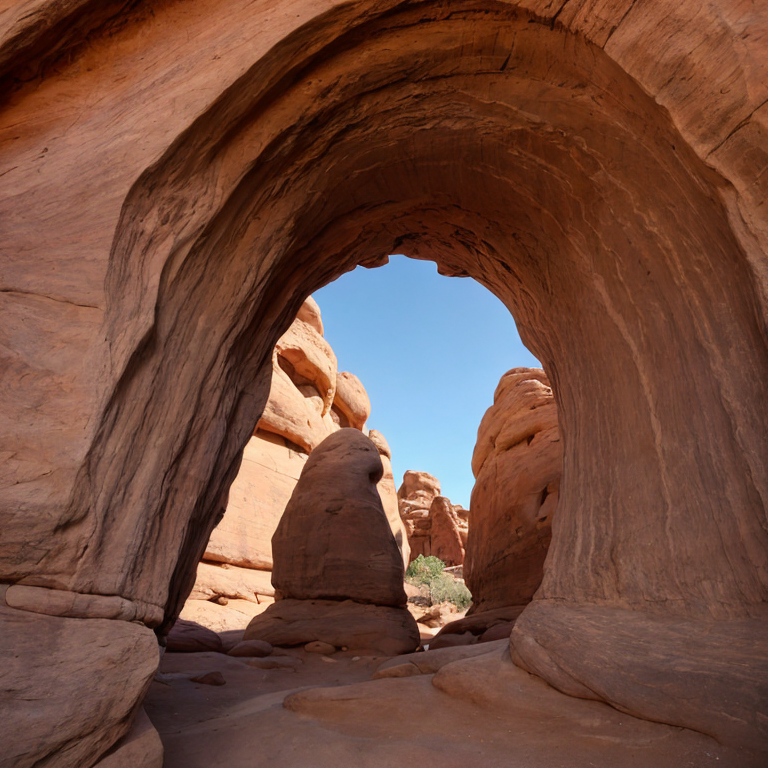
Natural bridges are not only scientific marvels but also cultural landmarks. They attract tourists from around the world who come to admire their beauty and learn about the geological processes that created them. Additionally, these sites often serve as locations for outdoor activities such as hiking, photography, and educational tours.
Tourism Impact
Tourism at natural bridge formations generates significant economic benefits for local communities. Visitors spend money on accommodation, food, transportation, and souvenirs, contributing to the overall economy of the region.
Educational Value
Natural bridges provide valuable opportunities for education in geology, environmental science, and conservation efforts. They serve as living laboratories where students can observe and study geological processes firsthand.
Misconceptions About Natural Bridges
Despite their widespread recognition, natural bridges are often misunderstood due to misconceptions about their formation and stability. Some people believe that these structures are inherently unstable or fragile, while others may underestimate the time it takes for them to form naturally.
Stability Concerns
Natural bridges can be surprisingly stable despite appearing precarious. The rock layers supporting them have endured millions of years of erosion and weathering, developing structural integrity over time.
Formation Timeframes
The formation of natural bridges is a gradual process that occurs over thousands or even millions of years. This long timescale makes it difficult for humans to fully grasp the geological forces at work.
Conclusion
Natural bridge formations are some of Earth’s most intriguing and awe-inspiring geological features. Through their unique architecture, these structures provide valuable insights into the planet's dynamic history while also serving as cultural landmarks and tourist attractions. Understanding how natural bridges form helps us appreciate both their scientific importance and their role in shaping human culture.
By recognizing the significance of natural bridge formations, we can work towards preserving them for future generations to enjoy and study.
As an Amazon Associate, The Weird Report earns from qualifying purchases. Product links above are suggestions related to this article; they don't affect what we write.