
Why Do Clouds Look Like Faces?
Clouds often resemble faces, a phenomenon that has fascinated humans for centuries. This effect is not merely coincidental but rooted in the way our brains process visual information.
TL;DR
- Pareidolia: The brain's tendency to perceive familiar patterns where there are none.
- Psychological Basis: Humans have evolved to quickly recognize faces, aiding survival and social interaction.
- Cloud Formation: Weather conditions shape clouds into various forms that can resemble facial features.
- Cultural Significance: Cloud watching has been a part of human culture for millennia, inspiring stories and art.
- Technological Advancements: Modern technology allows scientists to study cloud formations more closely.
The Science Behind Seeing Faces in the Sky
Understanding Pareidolia
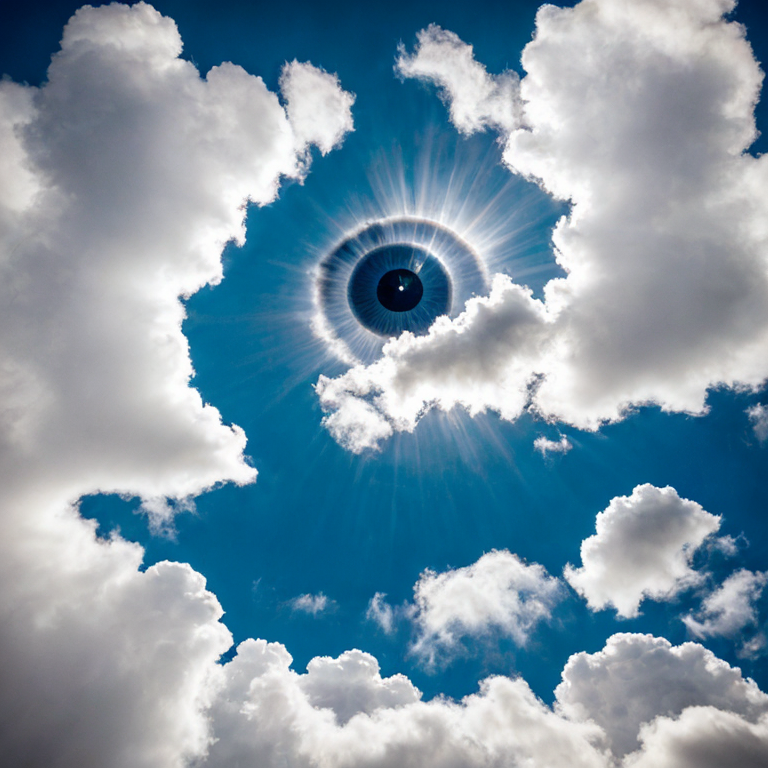
Pareidolia is a psychological phenomenon where people see meaningful shapes or patterns within random data. This effect is particularly pronounced when observing clouds, which can take on various forms due to atmospheric conditions and wind patterns. When these shapes resemble human faces, it triggers our innate ability to recognize faces—a survival trait that helps us identify friends from foes.
The Role of Facial Recognition
Facial recognition is a critical aspect of human interaction and social cognition. Our brains are highly attuned to identifying facial features such as eyes, noses, and mouths because this skill has been essential for thousands of years in recognizing individuals and their emotional states. When clouds happen to form shapes resembling these features, the brain instantly interprets them as faces.
The History and Cultural Impact

Ancient Cloud Gazing
The practice of observing cloud formations and interpreting them as various objects or creatures dates back to ancient civilizations. Early humans found patterns in nature that mirrored elements from their everyday lives, including animals and faces. This behavior was a precursor to more structured forms of folklore and mythology.
Folklore and Mythology
Throughout history, different cultures have developed unique interpretations for cloud formations resembling human features. For instance, the Greeks believed that gods and goddesses would manifest in the sky through clouds. Similarly, Native American tribes saw spirits in the clouds, attributing them with both benevolent and malevolent qualities.
Artistic Inspiration
Cloud watching has also inspired numerous artists throughout history. Painters like William Turner captured the ethereal beauty of cloud formations on canvas, while poets such as John Keats wrote about the serene and transient nature of clouds that resemble faces. This artistic tradition continues today, with contemporary photographers and digital artists capturing stunning images of cloud formations.
The Psychology Behind Cloud Faces
Cognitive Processes
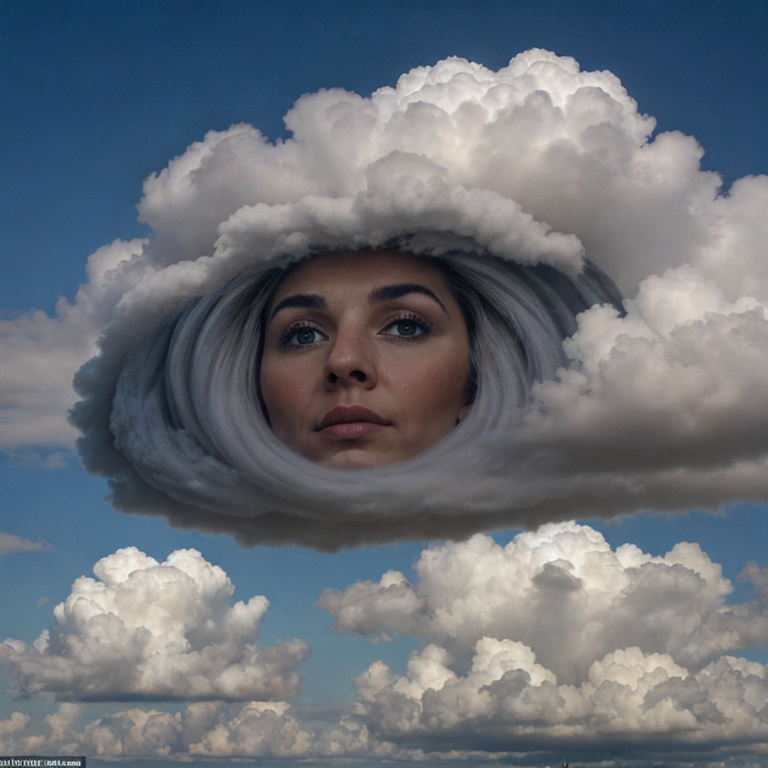
The human brain is wired to detect patterns in our environment, a trait known as pattern recognition. When we look at clouds, the brain rapidly scans for familiar shapes like faces or animals. This process occurs unconsciously and contributes to why people often see faces when looking up at the sky.
Evolutionary Perspective
From an evolutionary standpoint, recognizing faces quickly was crucial for survival in early human societies. The ability to distinguish between friends and foes based on facial features could mean the difference between life and death. As a result, humans have developed highly sensitive neural pathways dedicated to face recognition.
Cloud Formation: How Weather Creates Faces
Types of Clouds
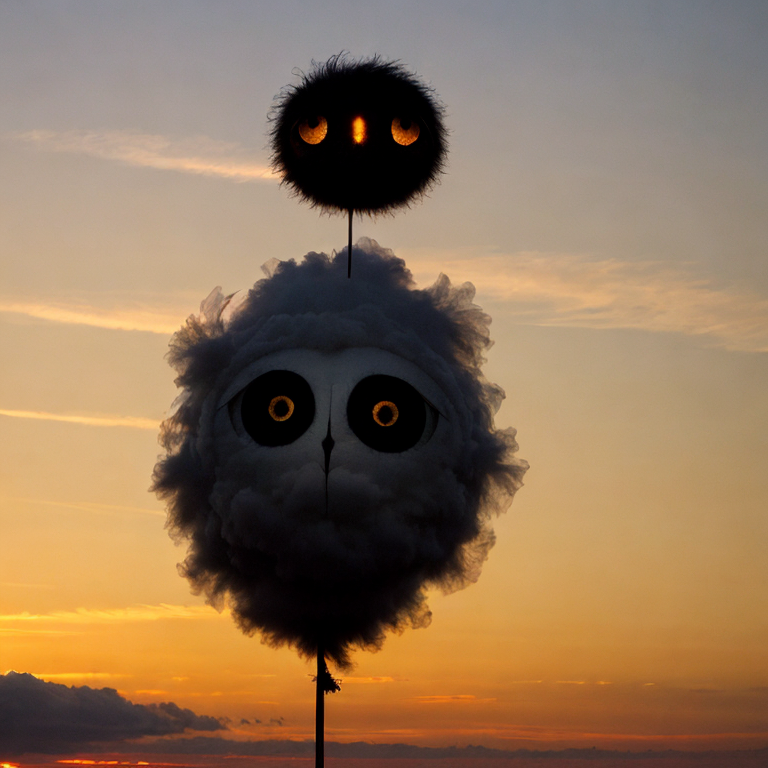
Clouds form through various processes depending on atmospheric conditions such as temperature, humidity, wind direction, and air pressure. Different types of clouds—cirrus, cumulus, stratus, and nimbostratus—can take on a wide variety of shapes due to these factors.
- Cirrus: Thin, wispy clouds often found high in the atmosphere.
- Cumulus: Puffy white clouds that can grow into larger storm systems.
- Stratus: Flat, gray clouds covering large areas of the sky.
- Nimbostratus: Dark, thick clouds associated with continuous rain.
Weather Patterns
Weather patterns play a crucial role in shaping cloud formations. For example, when warm air rises and cools, it can create cumulus clouds that may develop into larger storm clouds if conditions persist. Similarly, stratus clouds form when moist air encounters cooler temperatures near the ground, creating a layer of fog or low-hanging clouds.
Wind Effects
Wind also influences cloud formation by shaping them into various patterns. Strong winds can stretch and distort clouds, while gentle breezes might cause them to drift in specific directions, contributing to their overall appearance.
Misconceptions About Cloud Faces
Scientific Myths Debunked
There are several misconceptions surrounding the phenomenon of seeing faces in clouds. Some people believe that there is a spiritual or supernatural explanation for these patterns, but scientific evidence supports pareidolia as the primary cause.
- Supernatural Beliefs: While some cultures attribute cloud formations to spirits or deities, modern science explains this through natural processes.
- Psychological Illusions: Cloud faces are not illusions in the traditional sense; they are real perceptions influenced by our brain’s pattern recognition capabilities.
Cultural Misunderstandings
Cultural interpretations of cloud faces vary widely across different societies. Some cultures may view them as omens or signs from higher powers, while others see them simply as interesting natural phenomena. Understanding these cultural differences is essential for appreciating the diversity of human experiences and beliefs surrounding cloud watching.
Conclusion
Seeing faces in clouds is a fascinating example of how our brains process visual information to recognize patterns and shapes that may not exist objectively. This phenomenon highlights both the complexity of human perception and the beauty found in nature’s ever-changing sky formations. By understanding pareidolia, facial recognition, and the science behind cloud formation, we gain insight into why this common occurrence continues to captivate people around the world.
From a historical perspective, cloud watching has been an integral part of human culture for centuries, inspiring art, folklore, and scientific inquiry. As technology advances, our ability to study these natural wonders in greater detail will likely continue to deepen our appreciation for their intricate beauty and complexity.


