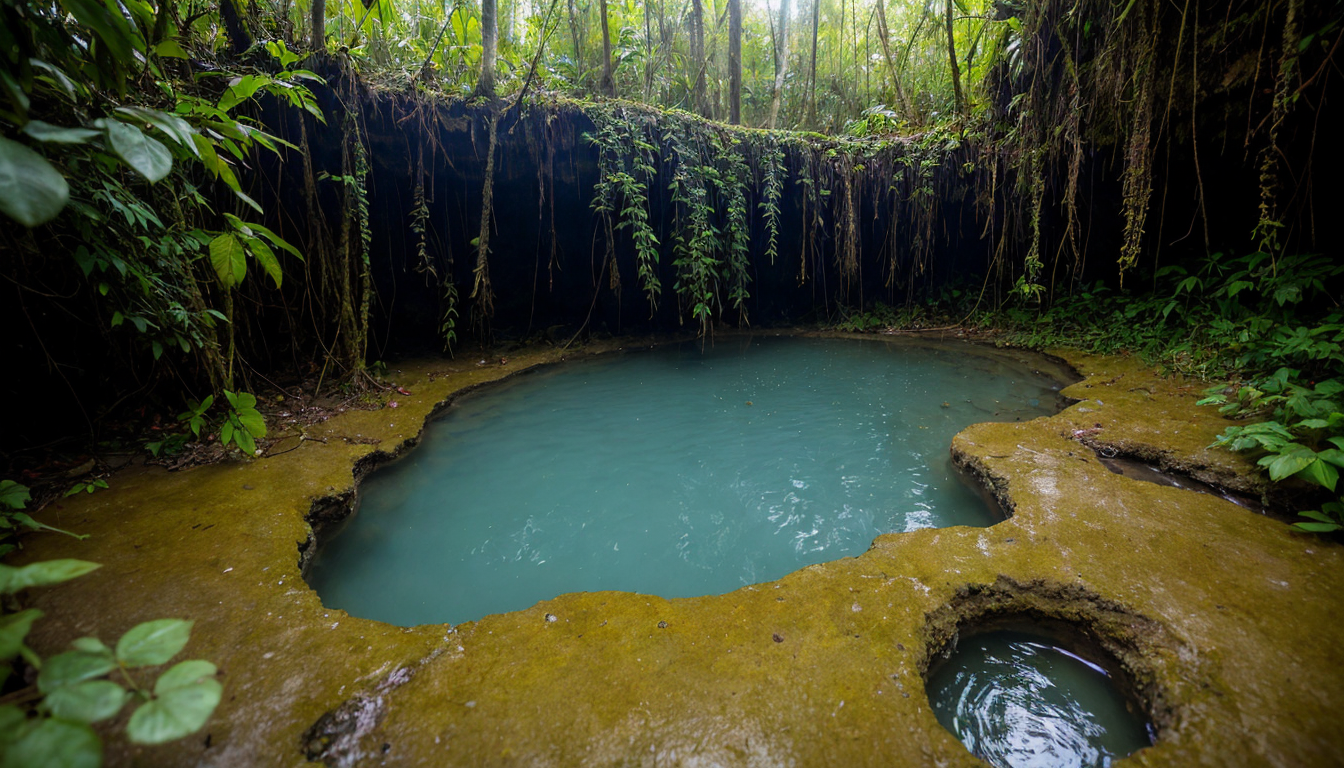
World's Strangest Sinkholes You Won't Believe Exist
Sinkholes are natural geological formations that have captivated scientists and curious minds alike. These mysterious cavities can appear unexpectedly on the surface of the Earth, swallowing everything in their path and revealing hidden underground worlds. From vast expanses to narrow chasms, sinkholes come in various shapes and sizes, each with its unique story.
TL;DR
- Sinkholes are natural depressions or holes formed by erosion or collapse.
- They can occur suddenly due to changes in groundwater levels or human activities.
- Some of the world's most unusual sinkholes include the Great Blue Hole off Belize and the Devil’s Sinkhole in Texas, USA.
- Sinkholes play a significant role in geology, ecology, and local cultures.
What Are Natural Sinkholes?
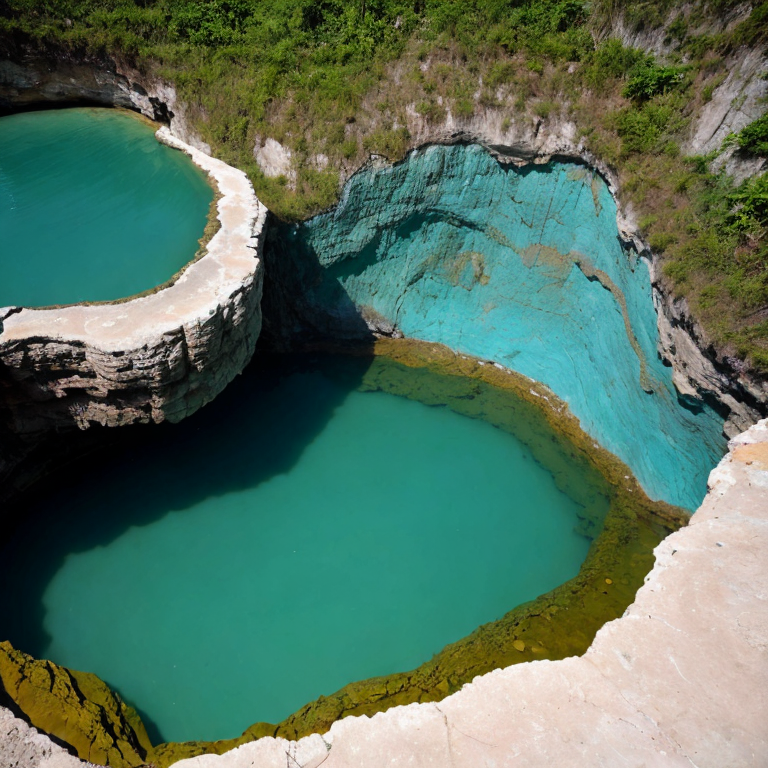
Natural sinkholes are depressions or holes formed on the Earth's surface by the dissolution of underlying bedrock. They develop when water dissolves soluble rocks such as limestone, dolomite, and gypsum over long periods. This process is known as karstification, resulting in the formation of caves, underground rivers, and large open cavities.
Formation Processes
Sinkholes form through different mechanisms:
- Dissolution: Water containing carbon dioxide (CO2) dissolves carbonate rocks like limestone.
- Collapse: Underground caverns or tunnels collapse due to instability caused by erosion.
- Cover Subsidence: Soft sediment layers above soluble rock gradually sink into the cavities below.
Types of Sinkholes
There are several types of natural sinkholes:
- Solution Sinkholes - Formed directly through dissolution processes.
- Collapse Sinkholes - Result from sudden collapse due to loss of support beneath.
- Cover-Subsidence Sinkholes - Develop slowly as overlying sediments subside.
Weirdest Natural Sinkholes in the World
The Great Blue Hole, Belize
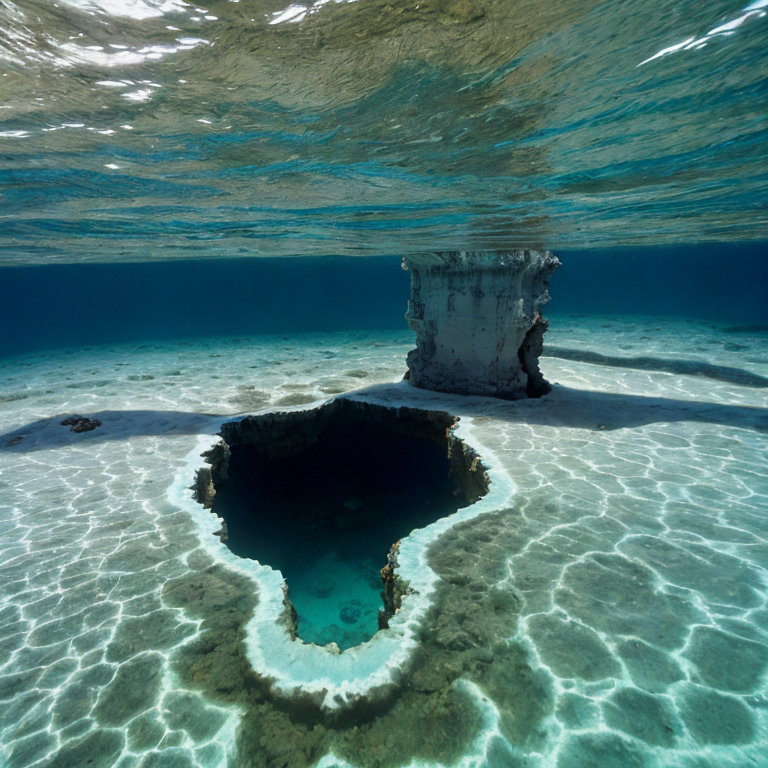
Located off the coast of Belize in the Caribbean Sea, the Great Blue Hole is a massive underwater sinkhole that measures about 300 meters (984 feet) across and 125 meters (410 feet) deep. It was formed during the last ice age when sea levels were much lower than they are today.
Geographical Significance
The Great Blue Hole is part of the Belize Barrier Reef Reserve System, a UNESCO World Heritage Site known for its rich marine biodiversity and unique geological features.
Devil's Sinkhole, Texas, USA
Devil’s Sinkhole is located in Edwards County, Texas. It is one of the deepest sinkholes in North America, measuring approximately 142 meters (465 feet) deep with a vertical drop into a cave system below.
Historical Importance
This sinkhole has been an important site for Native American tribes, who used it as a burial ground due to its sacred nature and depth. Artifacts found within the sinkhole provide valuable insights into prehistoric cultures of the region.
Qattara Depression, Egypt
The Qattara Depression is not technically a sinkhole but rather a large salt pan depression in the western desert of Egypt. It covers an area of about 19,605 square kilometers (7,569 sq mi) and reaches depths up to 134 meters (440 feet).
Environmental Impact
The Qattara Depression is one of the lowest points on Earth outside of the oceans. Its extreme dryness and harsh climate make it a unique ecosystem with limited life forms adapted to survive in such conditions.
Sarisariñama Sinkholes, Venezuela
Sarisariñama consists of several large sinkholes located in the tepuis (tabletop mountains) of southern Venezuela. These sinkholes are among the largest on Earth, reaching depths of over 300 meters (984 feet).
Geological Features
The formation of these sinkholes is attributed to water erosion through layers of sandstone and limestone within the tepui formations.
Dragon Hole, Paracel Islands, China
Dragon Hole, also known as Longjing, is an underwater sinkhole located in the South China Sea. It is one of the deepest blue holes in the world with a depth reaching approximately 300 meters (984 feet).
Marine Life
The extreme depths and unique conditions within Dragon Hole have led to discoveries of new marine species that thrive at these depths.
Misconceptions About Sinkholes
Myth: All sinkholes are dangerous. While some sinkholes can be hazardous due to sudden collapses, many others pose no immediate threat and serve as important ecological habitats.
Fact: Not all sinkholes are equally dangerous. Their impact varies based on location, depth, and surrounding geology.
Myth: Sinkholes only occur in Florida. Sinkholes are found worldwide but are particularly common in areas with soluble rock formations like limestone.
Fact: While Florida is known for its frequent sinkhole activity, they can form anywhere there is suitable geological composition.
Cultural Significance
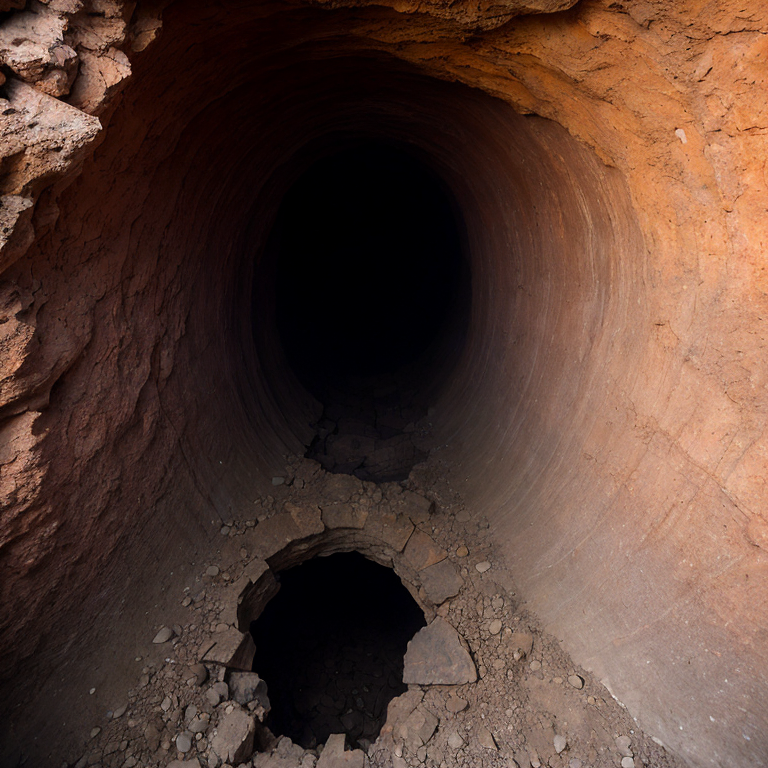
In many cultures, sinkholes have been associated with spiritual or mythological significance:
- Native American Tribes: Used some sinkholes as burial sites and sacred spaces.
- Ancient Civilizations: In parts of the Mediterranean, sinkholes were considered entrances to underworld realms in mythology.
Tourism Impact
Sinkholes often attract tourists interested in natural wonders. They offer unique opportunities for diving, cave exploration, and scientific research.
Conclusion
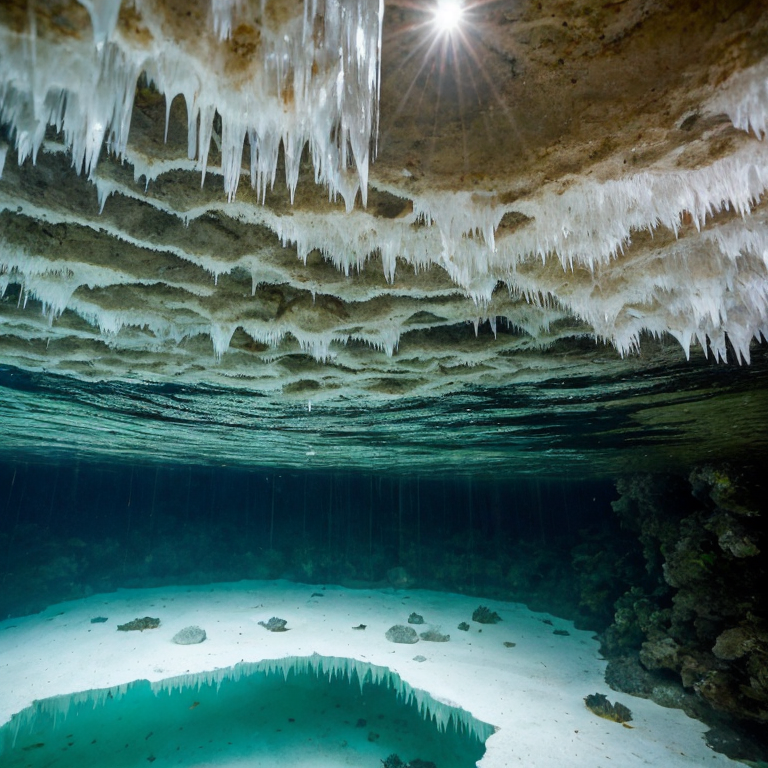
Natural sinkholes are fascinating geological features that reveal much about Earth's hidden landscapes and ecosystems. From the Great Blue Hole’s underwater beauty to Devil’s Sinkhole’s historical significance, these formations challenge our understanding of geology and inspire awe in their sheer scale and mystery. While some misconceptions exist regarding their dangers and locations, scientific study continues to uncover new insights into how sinkholes form and evolve over time.
Understanding these natural wonders not only enhances our appreciation for the Earth's diverse geological features but also highlights the importance of conservation efforts to protect such unique environments.


