Meet the World's Strangest Fruit: Raffia Palm Berries
TL;DR:
- Raffia palm berries are among the most unusual fruits in the world due to their bizarre appearance and unique characteristics.
- The raffia palm (Raphia regalis) is native to tropical regions of Africa, where it grows in swamps and along riverbanks.
- These berries are not widely cultivated or commercially available outside their natural habitat.
- Raffia palm berries have a distinct taste profile that ranges from sweet to tart, depending on ripeness.
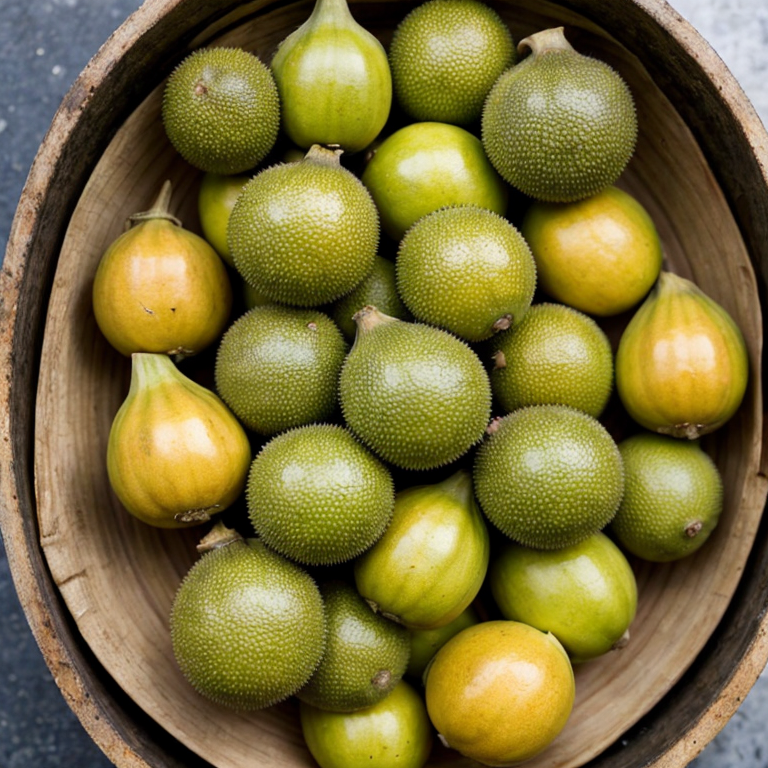
The world is full of diverse fruits that challenge our perceptions of what a fruit can be. One such example is the raffia palm berry (Raphia regalis), which stands out for its unusual appearance and unique characteristics. Native to tropical regions in Africa, these berries are not only a marvel of nature but also an enigma in terms of their culinary uses and cultural significance.
Understanding Raffia Palm Berries: A Scientific Perspective
Botanical Description
The raffia palm (Raphia regalis) is a member of the Arecaceae family, commonly known as the palm family. This species is one of the largest palms in the world, with leaves that can grow up to 25 meters long and petioles over 10 meters in length. The raffia palm thrives in swamps, along riverbanks, and other wetland areas where it receives ample sunlight and moisture.
Anatomy of a Raffia Palm Berry
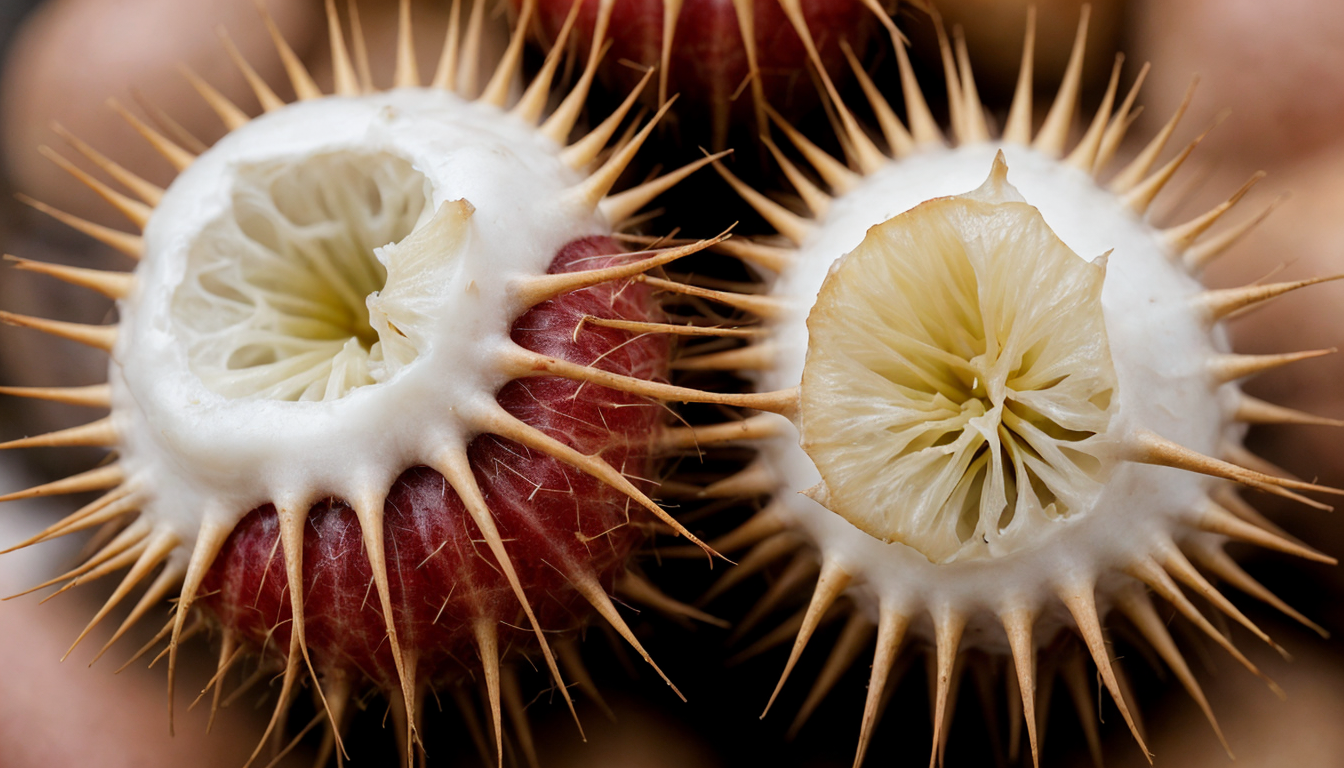
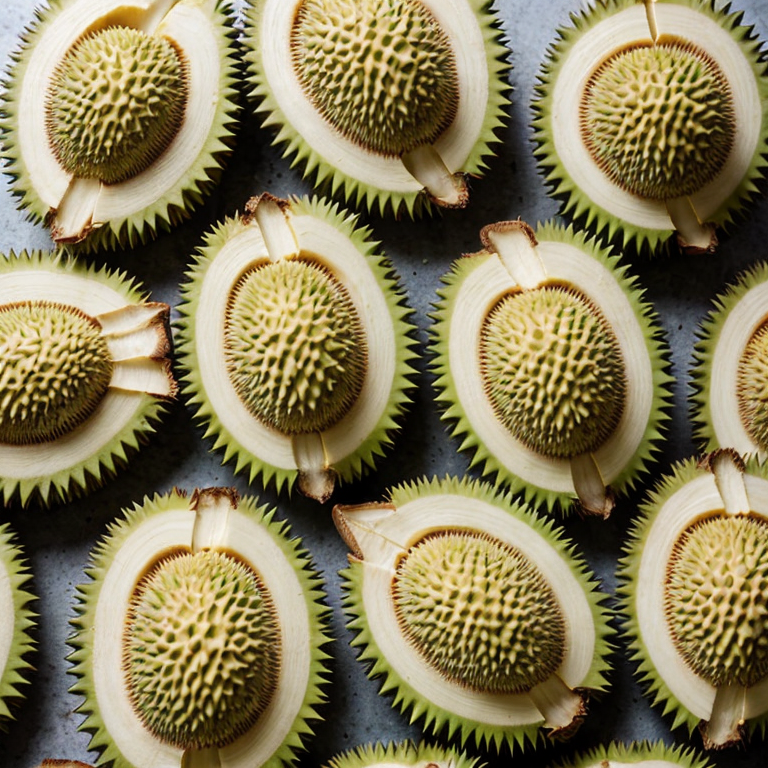
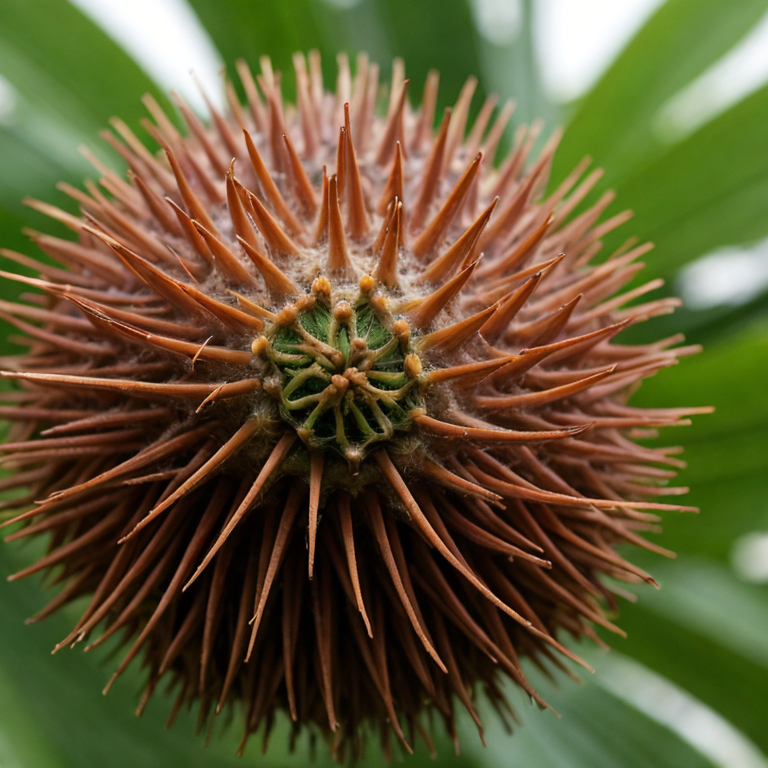
Raffia palm berries are small, roughly spherical or ellipsoid-shaped fruits that grow in clusters on the female inflorescence. Each berry is typically around 2 to 3 centimeters in diameter, with a thin skin that ranges from green to dark purple as it ripens. Inside the fruit lies a soft, pulpy interior, which may be white or cream-colored depending on its stage of development.
Taste and Texture
The taste of raffia palm berries varies significantly based on their ripeness level. When young, they tend to have a tart flavor with hints of sourness. As they mature, the sweetness increases while retaining some acidity. The texture is soft yet firm, similar to that of a grape or small plum.
Nutritional Value
While not extensively studied, preliminary research suggests that raffia palm berries contain essential vitamins and minerals such as vitamin C, potassium, and iron. They are also rich in antioxidants, which may contribute to their potential health benefits.
Historical Context: Origins and Early Uses
Native Habitat and Distribution
Raffia palms naturally occur across tropical Africa, from Senegal eastward through Nigeria, Cameroon, Congo, Uganda, and Tanzania. The species has been observed growing in several West African countries like Sierra Leone, Liberia, Ghana, and Ivory Coast.
Traditional Use by Indigenous Communities
For centuries, indigenous communities living near raffia palm groves have utilized various parts of the plant for practical purposes. While the berries themselves were not widely consumed as food, other components such as leaves and stems played crucial roles in everyday life. Leaves from the raffia palm were traditionally used to make hats, baskets, mats, and even roofing materials due to their durability and water resistance.
Etymology: Naming the Raffia Palm
Scientific Classification
The scientific name "Raphia regalis" was first introduced by botanist Carl Friedrich Philipp von Martius in 1823. The genus name "Raphia" is derived from the Greek word "raphis," meaning needle, referring to the sharp spines on the leaf stems. Meanwhile, the species epithet "regalis" signifies royal or majestic, reflecting the palm's impressive size and grand appearance.
Common Names
In various African languages spoken within its range, raffia palms are known by different names. For instance:
- In Wolof (Senegal): "Diaké"
- In Yoruba (Nigeria): "Idi"
- In Lingala (Congo): "Mokabu"
These local terms highlight the plant's importance within indigenous cultures and their reliance on it for various needs.
Cultural Significance: Role in Local Societies
Religious Practices
In some African societies, raffia palms hold spiritual significance and are incorporated into religious rituals. For example, certain tribes believe that the palm serves as a symbol of fertility or prosperity and may be used during ceremonial events to bless new homes or crops.
Economic Importance
Beyond their direct use in crafting and construction, parts of the raffia palm—particularly its leaves—are sold commercially both locally and internationally. This trade provides income for many rural communities dependent on natural resources.
Misconceptions and Myths Surrounding Raffia Palm Berries
Myth: Toxicity Concerns
One common misconception about raffia palm berries is that they are poisonous when consumed raw. While there have been no documented cases of toxicity from eating the fruit, this belief likely stems from cultural taboos or lack of familiarity with its edibility.
Fact-Checking: Nutritional Value Claims
Another area where misinformation often circulates involves exaggerated claims about the nutritional content and health benefits of raffia palm berries. While these fruits do offer some vitamins and antioxidants, they should not be considered a cure-all solution for any specific ailments without scientific evidence supporting such assertions.
Conclusion
In conclusion, raffia palm berries represent one of nature's most intriguing examples of botanical diversity. Their unusual appearance coupled with unique taste profiles sets them apart from more familiar fruits we encounter daily. As global interest in exotic and novel foods continues to grow, there is potential for further research into the culinary applications and nutritional value of these fascinating berries. However, it remains important to approach such discoveries with caution, ensuring accurate information dissemination while respecting traditional knowledge systems surrounding these plants' origins and cultural contexts.
As an Amazon Associate, The Weird Report earns from qualifying purchases. Product links above are suggestions related to this article; they don't affect what we write.