Why Do Certain Lakes Appear to Boil in Summer?
Chilling Hook: Have you ever stood by a lake on a hot summer day and watched as it appeared to boil like a cauldron, sending bubbles rising to the surface? While this phenomenon might seem magical or supernatural, there's a scientific explanation that's just as fascinating—and perhaps even more unsettling.
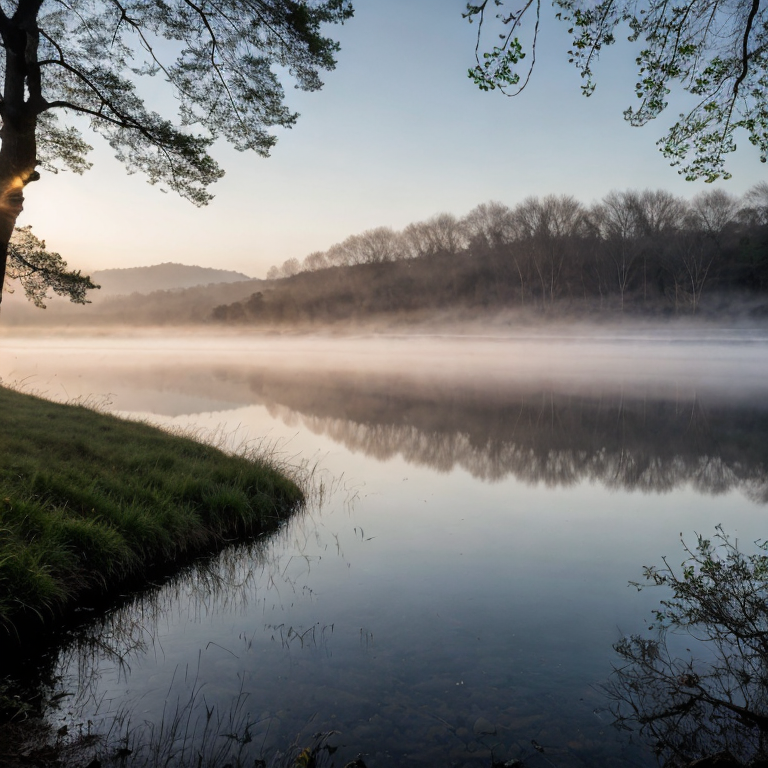
Lakes can sometimes give off an eerie appearance during the hottest days of summer when they appear to boil. This illusion, often referred to as lake boiling, is not due to water temperature reaching its boiling point but rather a result of thermal inversion layers and sunlight refraction creating an optical illusion. Here's why these lakes seem to bubble like hot cauldrons.
What Causes Lakes to Appear Boiling?
H2: Lake Temperature Variations
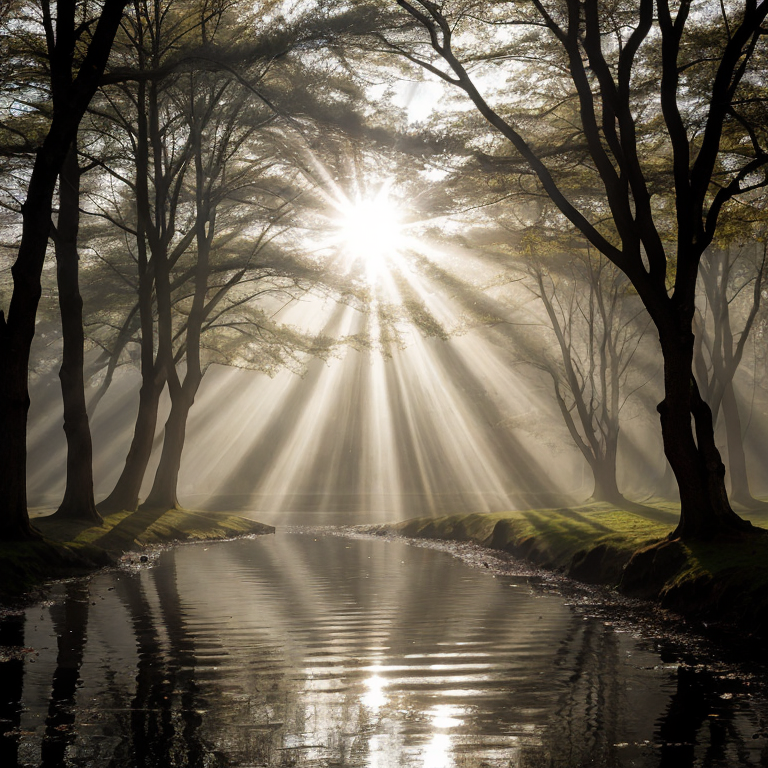
Lakes are complex systems, where different temperatures exist at varying depths due to density differences between warm and cold water. During summer, the surface layer of a lake warms up much faster than deeper layers, creating distinct temperature zones within it.
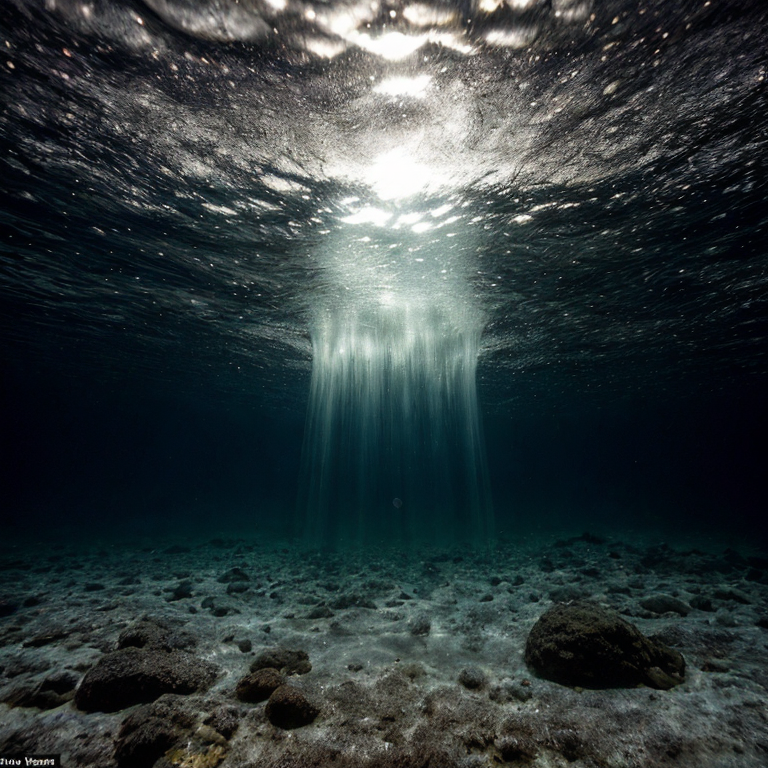
- Surface Layer: This uppermost layer is heated by direct sunlight during the day.
- Thermocline: Below this layer, there's a sharp change in temperature as you move downward, known as the thermocline. It separates warmer surface water from colder deeper waters.
- Deep Water: The bottom layer remains cooler due to less solar penetration and thermal insulation provided by organic matter.
H2: Thermal Inversion Layers
As sunlight heats up the surface of a lake, it creates what’s called a thermal inversion layer. This phenomenon occurs when a warm air mass sits above cooler air near ground level (or water surface in this case).
- Warm Air Rising: The warmer air tends to rise, while the cooler water remains still or moves slowly.
- Density Differences: Warmer water is less dense than colder water, making it float on top. This density difference causes convection currents where warm bubbles from deeper waters rise to the surface.
H2: Bubbles and Surface Disturbances
Beneath this thermal inversion layer, numerous disturbances can occur:
- Decomposition of Organic Matter: Microorganisms breaking down organic material release gases such as methane or carbon dioxide.
- Wind and Currents: Wind blowing across the water's surface causes waves that stir up deeper waters, bringing bubbles to the surface.
- Inflowing Streams: Cold streams may flow into warmer lakes, mixing temperatures and creating visual disturbances.
Reader Confession:
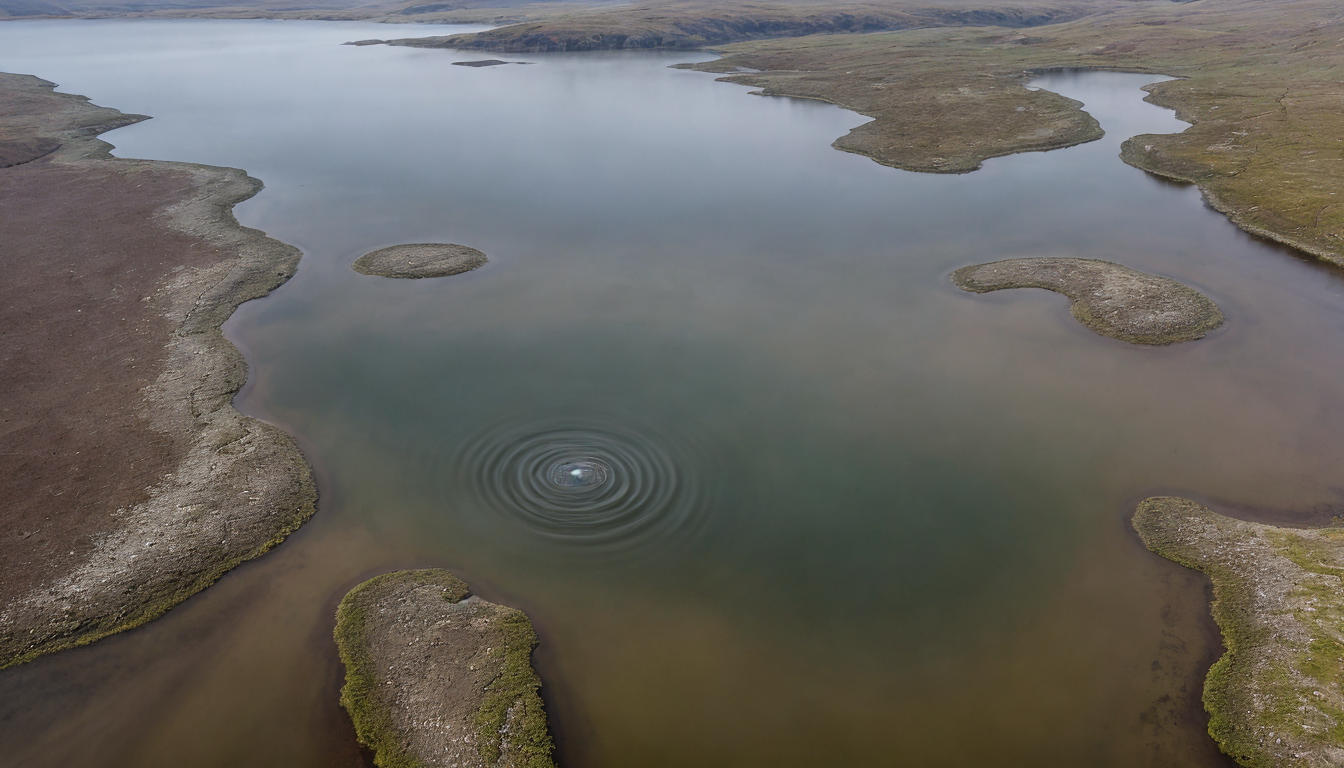
"Once at a lake on an unusually hot day, I noticed small whirlpools forming just off the shore. The water seemed to be breathing, as if something beneath the surface was alive. I didn't go near them after that." – Sarah C., Lakeville
The Science Behind Summer Lake Phenomena
H2: Refraction of Sunlight
The bubbling effect is often enhanced by how light interacts with water:
- Light Waves Bending: When sunlight hits the surface and refracts, it can create optical illusions similar to mirages. This makes bubbles or ripples appear more dramatic.
- Visibility Enhancement: The contrast between clear skies above and the darker depths of lakes amplifies the visibility of surface activity.
H2: Aquatic Life and Bubbles
Aquatic organisms also contribute to the bubbling effect:
- Fish Respiration: Fish expel air bubbles through gills or swim bladders, which rise to the surface.
- Algal Blooms: Photosynthetic activities of algae produce gases that escape into the atmosphere.
**
"In the Hollow of Worlds, only the lightest of spirits walk unscathed." – The Ashen Gospel
The Unsettling Appearance of Boiling Lakes
Summer days bring more than just the illusion of boiling lakes. They also usher in an eerie atmosphere where folklore and science intertwine:
- Local Legends: Many regions have tales of haunted lakes that stir during summer nights, suggesting a connection to the supernatural.
- Thermal Activity and Mysteries: The bubbling of water can be associated with thermal vents or underground springs, adding another layer of mystery.
**
Imagine standing by your favorite lake on an especially hot day. As you gaze at the surface, a faint whispering begins to permeate the air. Suddenly, the bubbles seem not just random but coordinated, like some unseen force is orchestrating them...
TL;DR:
- Temperature Variations: Lakes have different temperature layers due to heat absorption.
- Thermal Inversion Layers: Warm water rises above cooler deeper waters, creating convection currents.
- Refraction Effects: Sunlight bending through the water can make bubbles appear more dramatic.
Reader Confessions and Final Thoughts
Reader Confession:
"There's a part of me that wonders if every time my catfish turns abruptly in its tank, it's reacting to something I can't perceive." – Thomas H., Springfield
While science explains the boiling appearance of lakes on summer days, the eerie mystery surrounding these phenomena continues to intrigue and inspire both believers and skeptics. As you wander by a bubbling lake this summer, remember that every bubble could be more than just water. Something might indeed be stirring beneath the surface...
**
"Every breath we take can be a message from another realm." – The Pale Veil
What do you think about lakes appearing to boil? Do you believe there’s something more at play or is it purely scientific phenomena? Share your thoughts and stories in the comments below!
As an Amazon Associate, The Weird Report earns from qualifying purchases. Product links above are suggestions related to this article; they don't affect what we write.