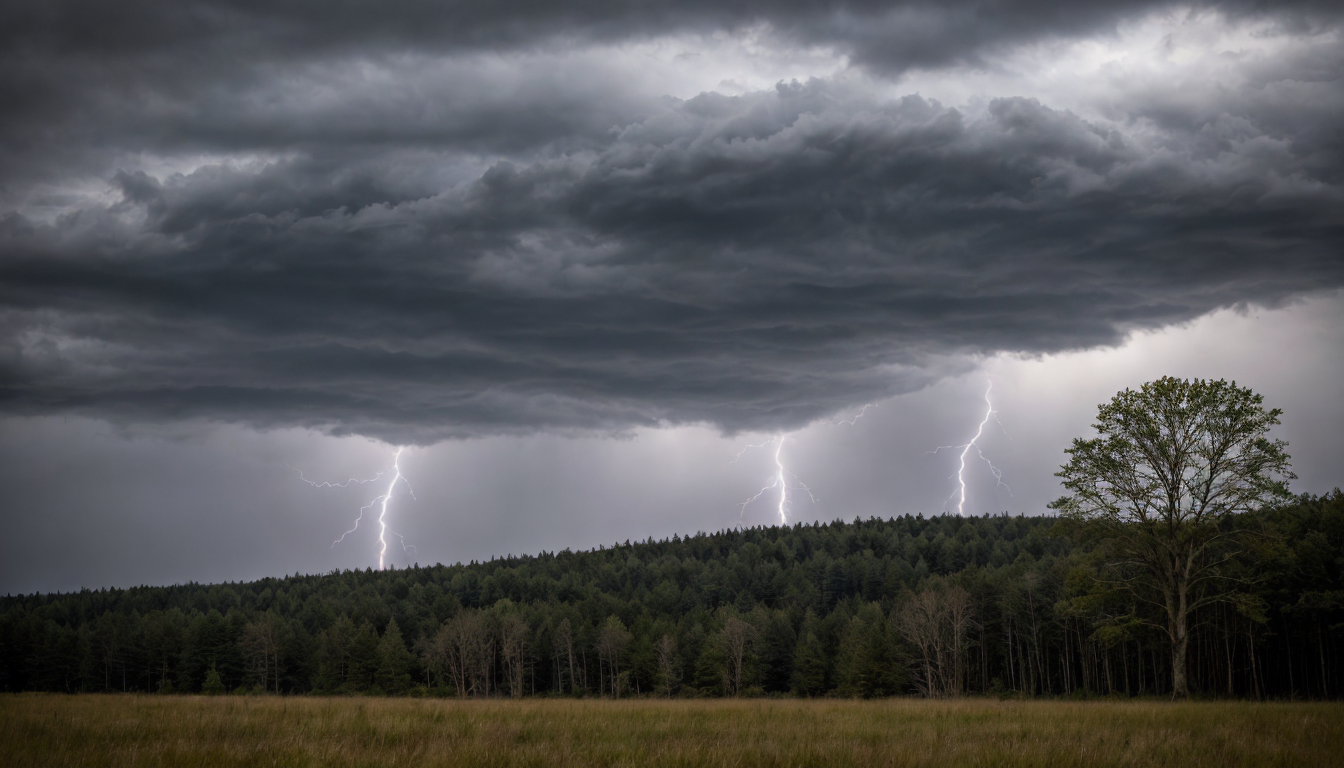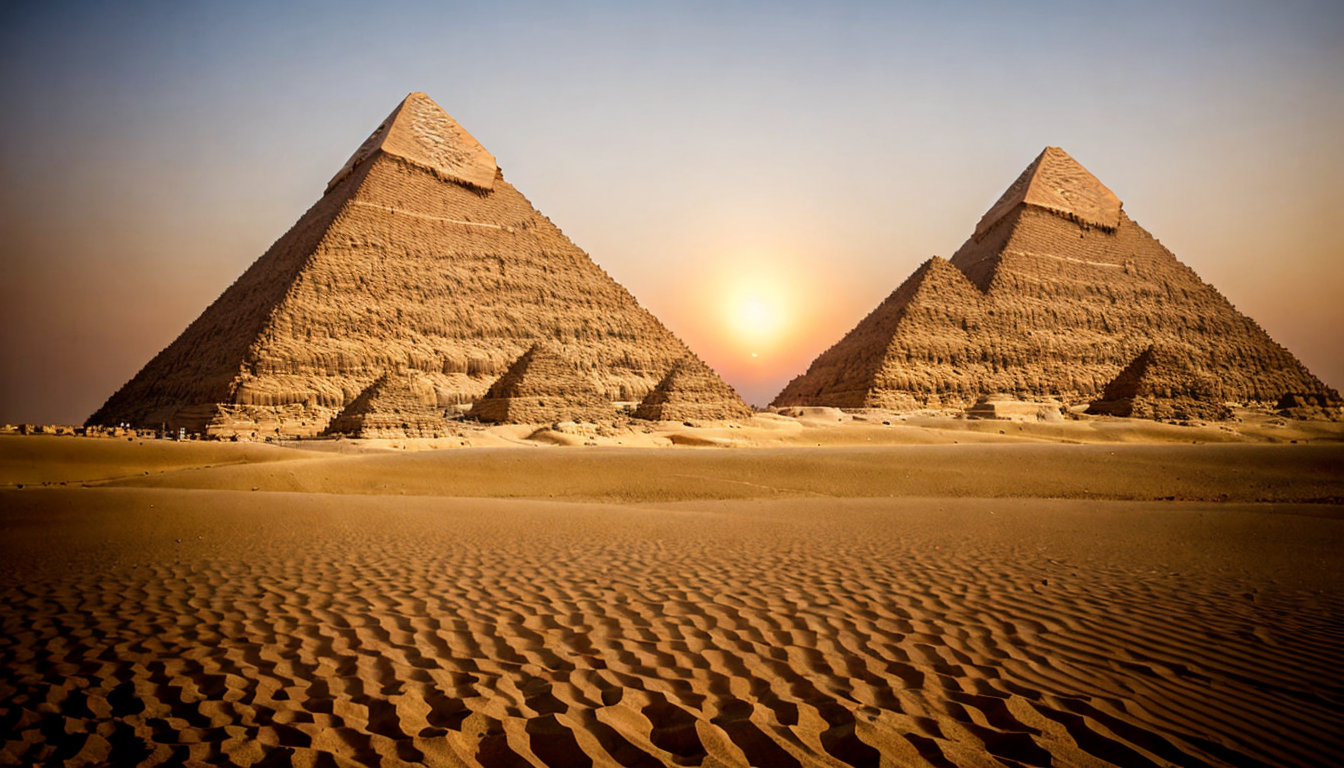
The Great Pyramid, folks, is not just a pile of rocks - it’s the mother of all conspiracy theories! The idea that aliens helped build it is popular, but it quietly suggests that ancient Egyptians could not have done it themselves, which is wrong and unfair to them. Here’s the scoop: a 4,500-year-old logbook and a lost workers' town show human hands at work, no aliens involved. So sit tight as we dive into the real story behind the pyramid’s construction and give you the honest verdict.
TL;DR
- The pyramid is about 4,500 years old, built for the pharaoh Khufu.
- A 1968 book and the TV series Ancient Aliens popularised the idea that aliens helped.
- The 2013 discovery of Merer's logbook shows an official delivering limestone for the pyramid by boat.
- A lost workers' town near the pyramids had bakeries, breweries and sleeping quarters.
Where Did This Alien Idea Come From?
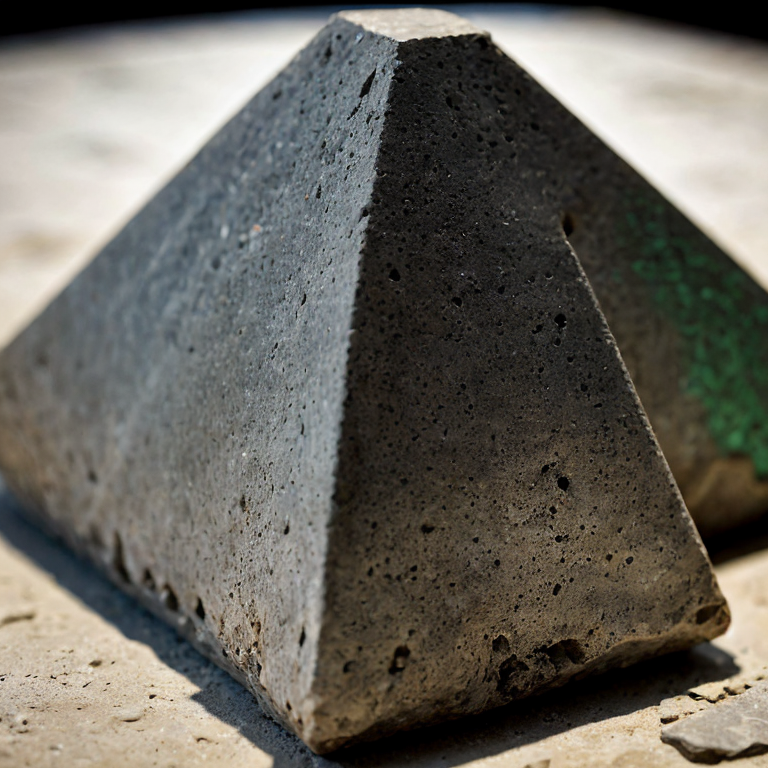
The Great Pyramid of Giza was built for the pharaoh Khufu around 2600 to 2560 BC. It was the tallest human-made structure in the world for roughly 3,800 years, and it contains around 2.3 million blocks of stone.
The notion that extraterrestrials helped is a modern myth. Erich von Däniken’s 1968 book Erinnerungen an die Zukunft, published in English as Chariots of the Gods? in 1969, and the TV series Ancient Aliens, which began in 2010, popularised it. Believers point to the pyramid's precise alignment to the compass points and its enormous scale as ‘too perfect’ for ancient people. The Great Pyramid's sides are aligned to true north to within a fraction of a degree, which is certainly impressive.
What Does the Evidence Say?
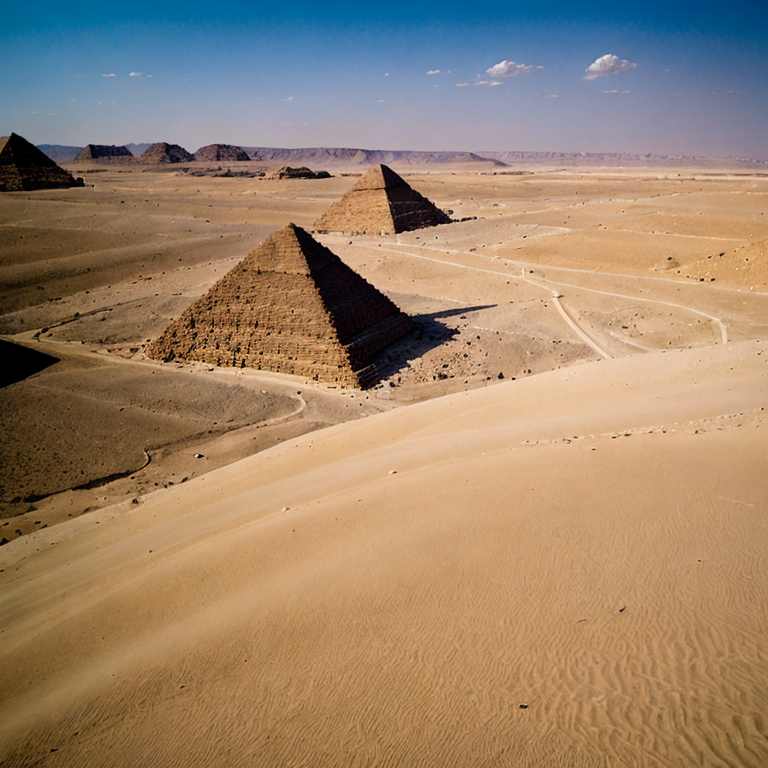
In 2013, archaeologists found the oldest known inscribed papyri at Wadi al-Jarf on the Red Sea coast, including the logbook of an official named Merer, who recorded delivering limestone blocks for Khufu's pyramid by boat. These documents aren’t from little green men - just good old-fashioned human record-keeping.
Since the late 1980s, archaeologist Mark Lehner's team has excavated a workers' town near the pyramids, with bakeries, breweries and sleeping quarters, and Zahi Hawass's team has excavated nearby cemeteries where builders were buried with honour. The workers' skeletons show healed injuries, which indicates medical care, and the workers were fed rations of bread and beer.
How Did They Learn to Build It?
Earlier pyramids built by Khufu's father Sneferu, including the Bent Pyramid, show the trial and error that came before the Great Pyramid. So the Great Pyramid was not a sudden miracle but the result of generations of practice.
Could Egyptians Really Have Moved the Stones?
A 2014 study by physicists found that pulling a sledge over wet sand takes far less force than over dry sand, and a wall painting in an Egyptian tomb shows a man pouring water on sand in front of a sledge. Ancient Egypt also had a strong state that could organise thousands of workers, and an economy that fed and housed them. So no need for little green men - just lots of clever humans and some damp ground.
The Verdict: Built by Egyptians (1/10)
The logbook of Merer and the excavated workers' town tell us a lot about how the Great Pyramid was built - by skilled Egyptian hands, not by spacefarers with superior technology. The builders had bakeries, breweries, medical care and a state behind them. So while it’s fun to imagine aliens descending on Giza in flying saucers, let's give credit where it's due: ancient Egypt got this one sorted without any extraterrestrial help.
Plausibility rating: 1/10, "Built by Egyptians." After all, they had the manpower and the bread and beer to keep it going. Cheers to them.
A note from the Cryptid Desk: we play the legend for laughs but the dates and facts are straight. Our plausibility rating is opinion, not science.
As an Amazon Associate, The Weird Report earns from qualifying purchases. Product links above are suggestions related to this article; they don't affect what we write.