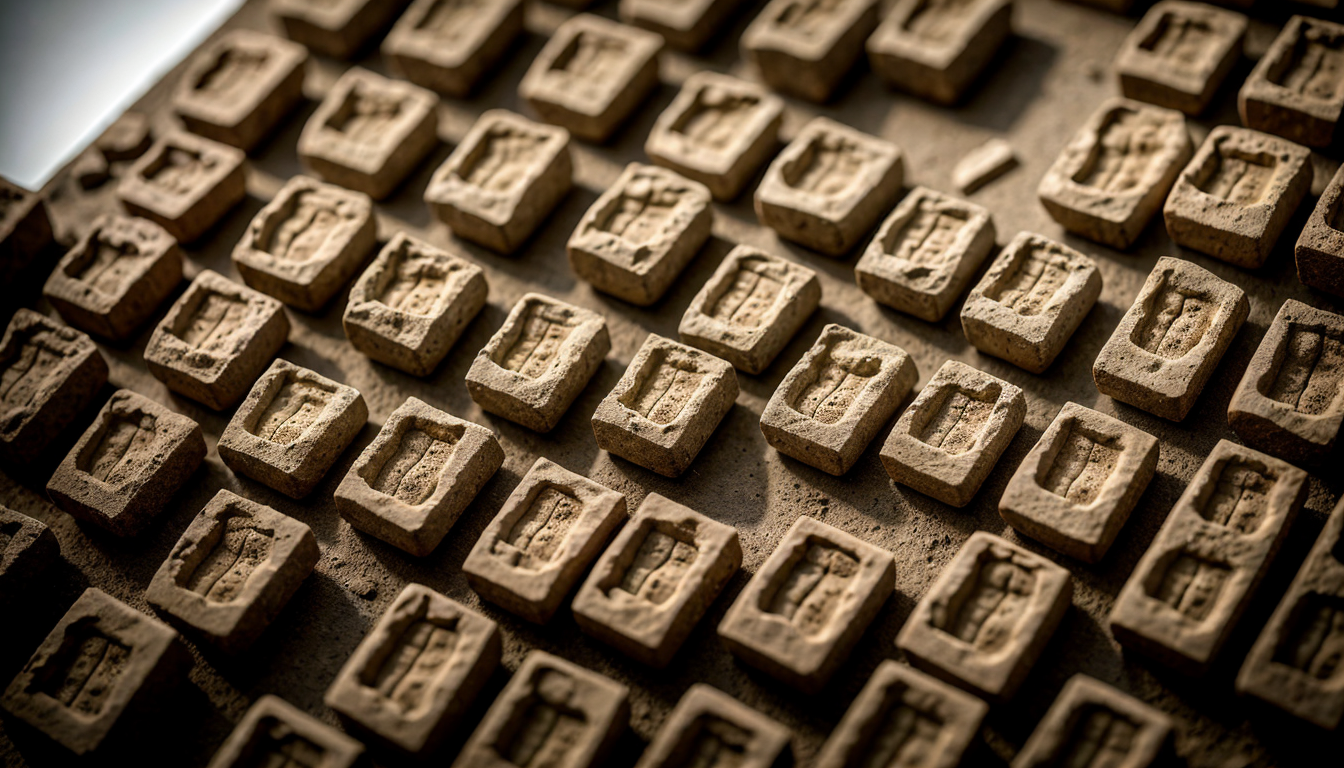
The Anunnaki were real gods in ancient Mesopotamia, and the tabloids' flying saucers are a modern invention. Step away from the tin foil hats for a moment: these gods have a rich history that’s more fascinating than any spaceship story. We’ll look at what the cuneiform tablets actually say, how Zecharia Sitchin turned the Anunnaki into aliens in 1976, and why the scholars who read the texts reject that. Stick with us as we sift through the evidence and give you an honest verdict on the Anunnaki.
TL;DR
- The Anunnaki were gods in ancient Mesopotamia, tied to the sky god An and, in some texts, judges of the underworld.
- In 1976, author Zecharia Sitchin claimed in The 12th Planet that they were aliens from a planet called Nibiru.
- The scholars who read cuneiform say Sitchin misread words and invented grammar.
- Archaeologists have found evidence of ordinary human ingenuity in the Sumerian cities of Ur and Uruk.
From Gods to Aliens
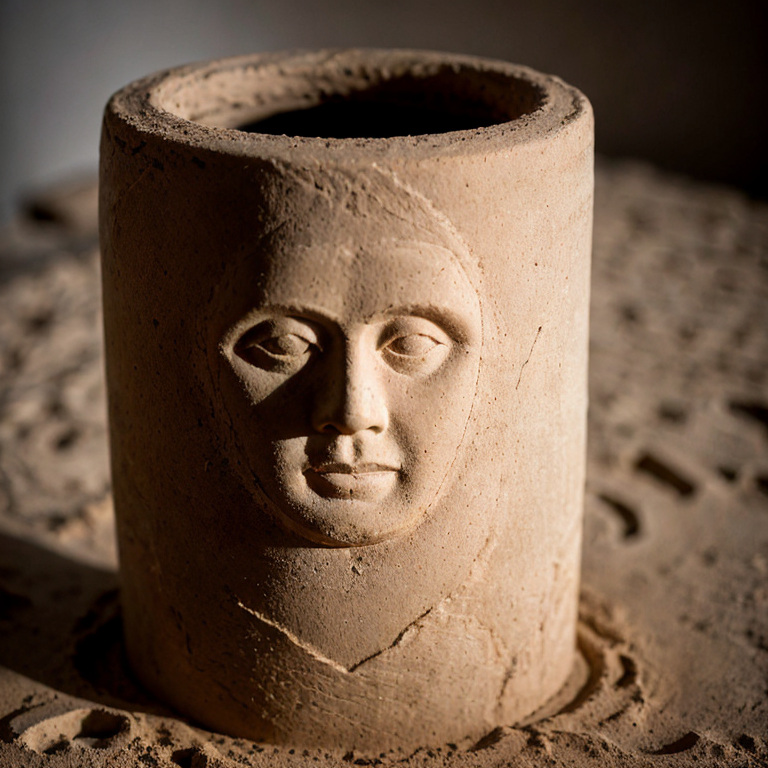
The Anunnaki appear in Sumerian and Akkadian texts as a group of gods of ancient Mesopotamia, in what is now Iraq. They are tied to the sky god An (Anu) and, in some texts, they are judges of the underworld. The name is usually translated as something like “offspring of An”, though scholars debate its exact meaning. In the Babylonian epic Atrahasis, lesser gods go on strike over hard labour, and humans are created to take over the work.
Then, in 1976, author Zecharia Sitchin published The 12th Planet, claiming the Anunnaki were aliens from a planet called Nibiru who came to Earth hundreds of thousands of years ago to mine gold and created humans. That twist turned the Anunnaki into spaceship-flying aliens, but the tablets tell a different story: they describe gods, in a world of myth.
Tablets Tell Tales of Sky Gods
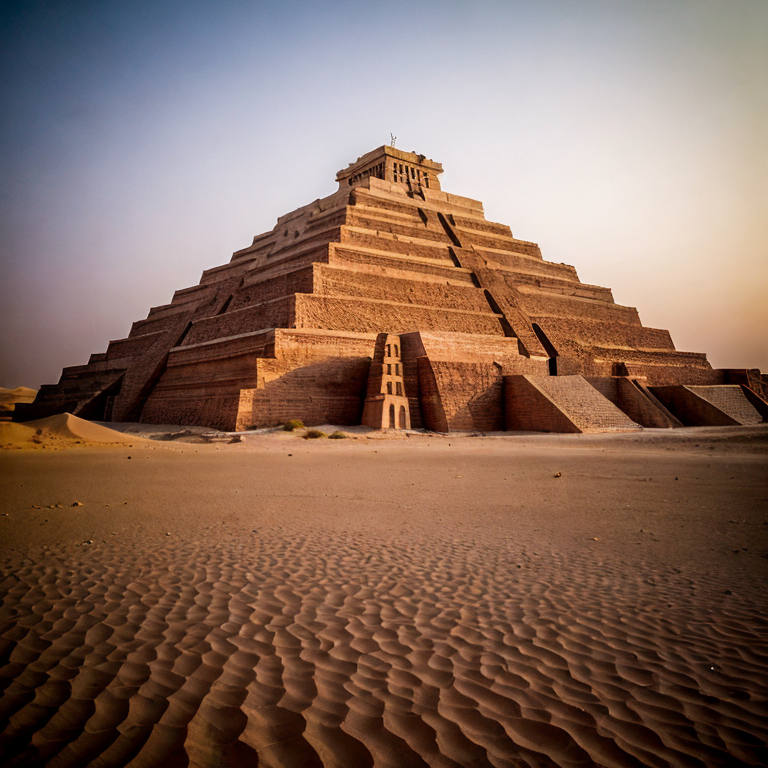
Believers point to cuneiform tablets that mention gods descending from heaven, and to cylinder seals and carvings of winged figures. The Sumerian King List, a cuneiform text, even claims that early kings reigned for tens of thousands of years, such as Alulim for 28,800 years.
Erich von Däniken’s 1968 book Erinnerungen an die Zukunft, published in English as Chariots of the Gods? in 1969, and the TV series Ancient Aliens, which began in 2010, popularised the idea that ancient civilisations were helped by visitors from space.
What Do the Experts Say?

Assyriologists reject Sitchin’s translations. They say he misread words and invented grammar to get the story he wanted.
The texts describe gods as part of a world of myth, with An the sky god, Enlil the air god and Enki the water god. They were worshipped in temples and not described as spaceship crews. Many scholars also point out that ancient-alien claims imply that ancient peoples could not build or invent things, which both ignores the archaeological evidence and is unfair to those cultures.
Digging Up Human Ingenuity
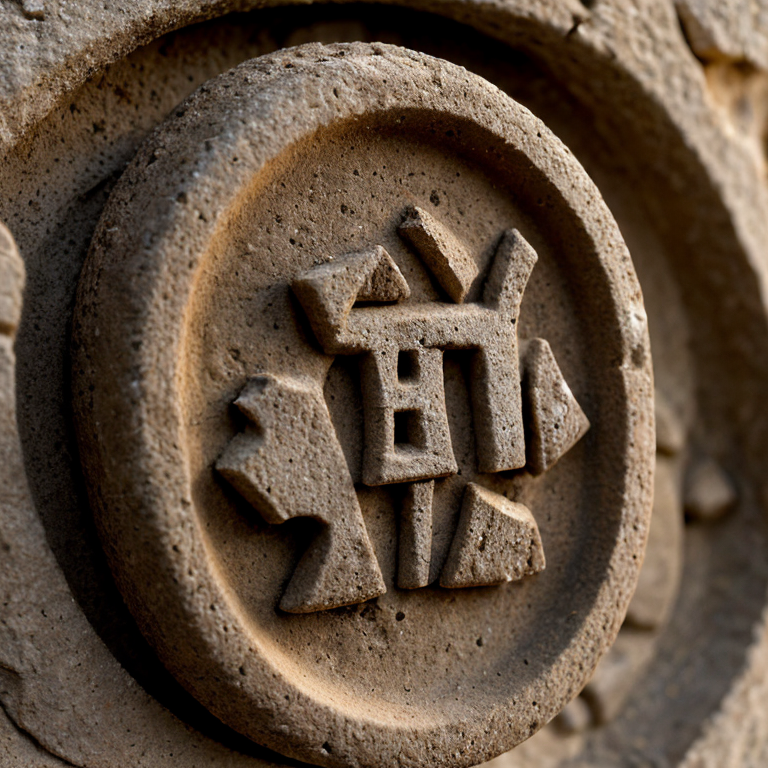
Writing appeared early in Sumer, in the city of Uruk, around 3300 BC. The Mesopotamians also developed base-60 counting, which still lies behind our 60-minute hours and 360-degree circles, and produced one of the world’s oldest known works of literature, the Epic of Gilgamesh.
Archaeologists have excavated Sumerian cities such as Ur and Uruk and found evidence of ordinary human ingenuity: irrigation canals, ziggurats, mud-brick houses and clay tablets recording grain and beer. These findings show the Mesopotamians were no slouches when it came to building a civilisation without alien help.
See It for Yourself
- The British Museum in London and the Penn Museum in Philadelphia have major collections of Sumerian artefacts, including cuneiform tablets and treasures from the Royal Tombs of Ur.
Check opening times before you set off, and respect private land and local wildlife.
The Verdict: Real gods, no evidence of aliens (1/10)
The Anunnaki were revered as gods by ancient Mesopotamians, and they feature in the myths those peoples told. They weren’t spacefaring aliens, despite what some theories claim. Assyriologists reject the translations that promote the idea, and the cities of Ur and Uruk show what the Mesopotamians could do for themselves.
So, when it comes to the Anunnaki, let’s give credit where it’s due: they were real gods, with no evidence of aliens - rating 1/10. After all, if ancient Mesopotamians could build ziggurats without a hand from extraterrestrials, we can probably handle their myths just fine too.
Filed by the Cryptid Desk. The jokes are ours, the history is on the record, and the monster, as always, remains unconfirmed.
As an Amazon Associate, The Weird Report earns from qualifying purchases. Product links above are suggestions related to this article; they don't affect what we write.