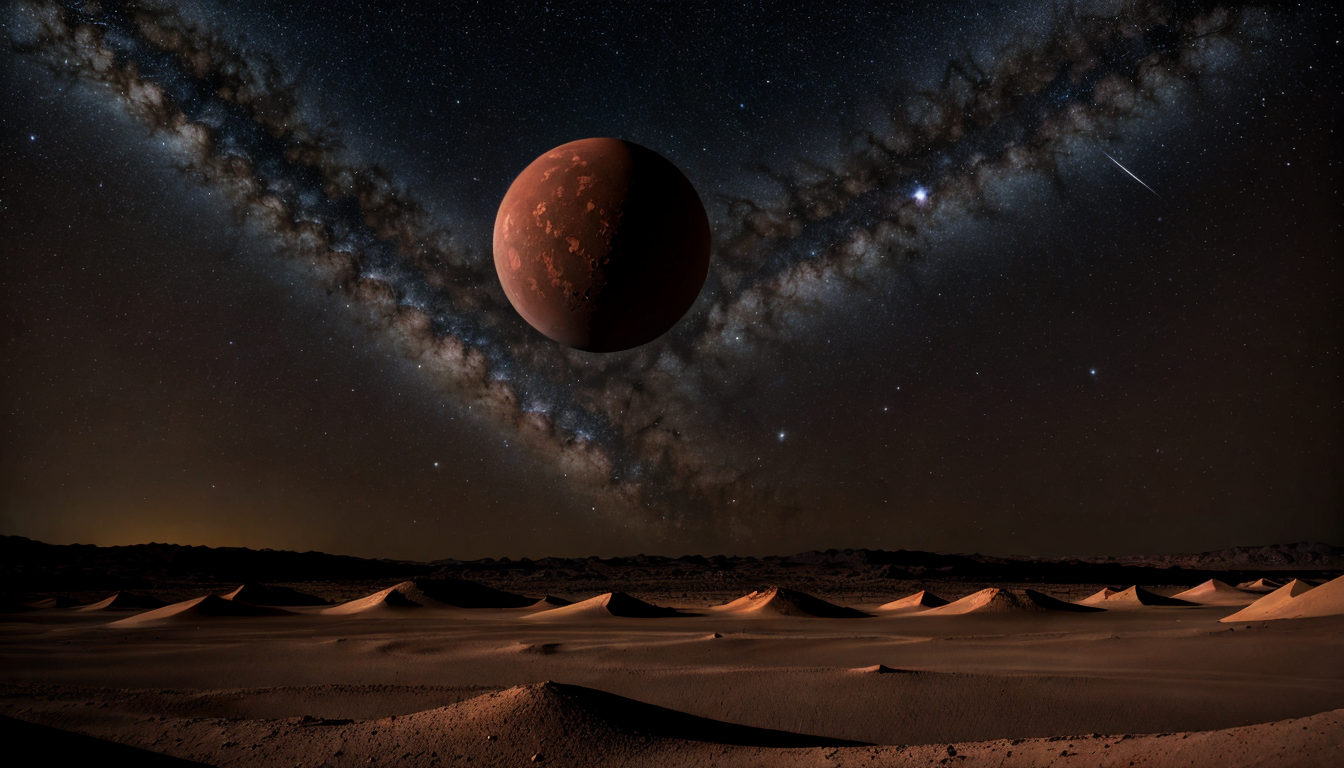
Nibiru: the doomsday planet that was supposed to wipe us out in 2003, then again in 2012, and still hasn't made its grand entrance. Let's be clear from the start: the world is not ending, and there is no Nibiru. So why the wait? Dive into the history of Nibiru, from ancient Babylonian astronomy to modern-day conspiracy theories, and find out what astronomers really think about a planet that's late for its apocalypse appointments.
TL;DR
- Nibiru is a name from Babylonian astronomy, later reimagined by Zecharia Sitchin in 1976 as a hidden planet.
- In 2012, NASA published pages and videos to explain that the world was not ending.
- A planet big enough to cause catastrophe would be visible to the naked eye for years beforehand, and each predicted date has come and gone without incident.
- The search for a real 'Planet X' is a genuine one in astronomy, but it has nothing to do with Nibiru.
Where Did Nibiru Come From?
Nibiru is a name from Babylonian astronomy, referring to a 'crossing' point in the sky, and is usually linked to the planet Jupiter or a star. In 1976, Zecharia Sitchin claimed that Nibiru was a hidden planet on a 3,600-year orbit and the home of the Anunnaki. In 1995, Nancy Lieder, who said she received messages from aliens, predicted Nibiru would pass Earth in 2003. When nothing happened, the date moved to 2012.
The 2012 date also got tangled up with the end of a cycle in the Maya Long Count calendar on 21 December 2012, which Maya scholars said was simply the end of a cycle and not a prediction of doom.
Is There Really a Second Sun?
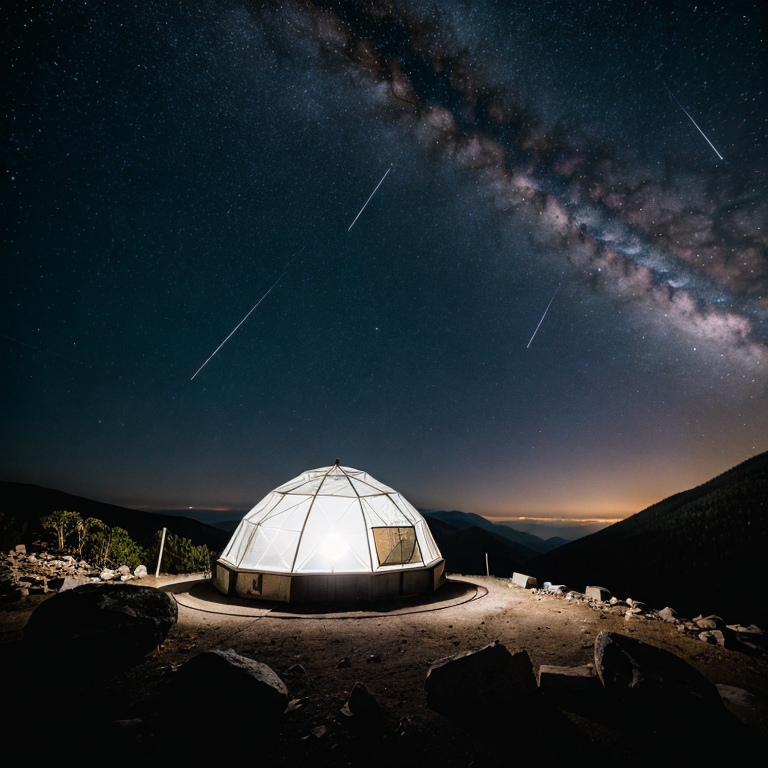
Believers share blurry photos of 'second suns' and point to unusual weather, earthquakes and sky phenomena as signs of an approaching planet. The photos are lens flares or reflections inside cameras. In 2012, NASA scientists, notably David Morrison, answered thousands of questions and emails from worried members of the public, and NASA published pages and videos to explain that the world was not ending.
Is Nibiru Just a No-Show?

So what really explains it? The answer's as clear as a lens flare: there’s no planet lurking out there waiting to wreak havoc. A planet big enough to cause catastrophe would be visible to the naked eye for years beforehand and would disturb the orbits of known planets, and astronomers around the world, amateur and professional, would be tracking it. Each predicted date has come and gone without incident. So rest easy - Nibiru is just a cosmic no-show.
Could Any of It Be True?
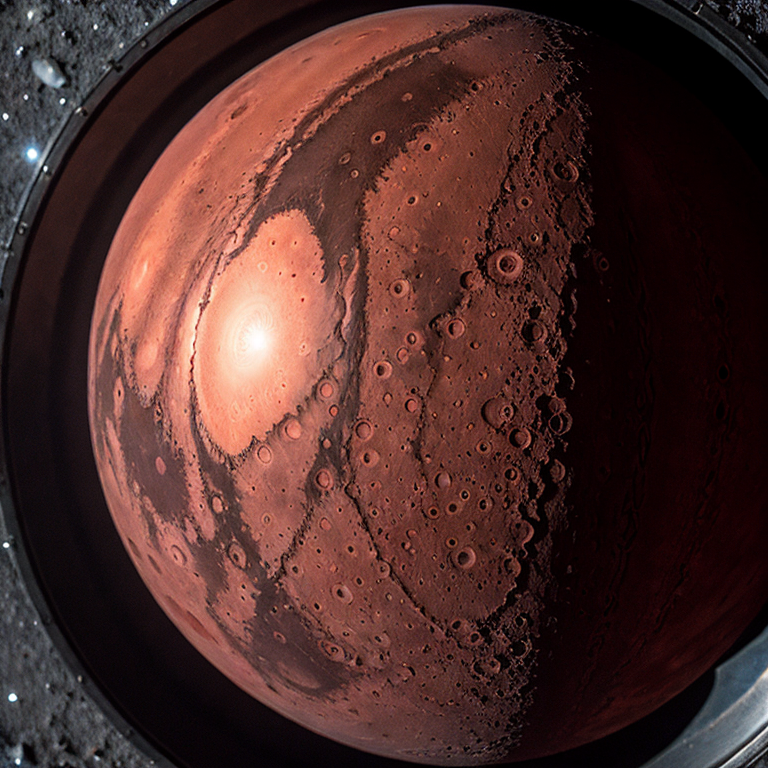
The search for a 'Planet X' is a real one in astronomy. Percival Lowell searched for one in the early 1900s, and Clyde Tombaugh found Pluto in 1930 while following that hunt. In 2016, astronomers Konstantin Batygin and Mike Brown of Caltech proposed that an unseen 'Planet Nine', about ten times the mass of Earth, could explain the odd orbits of distant icy objects. It is a hypothesis and has not been found. So while there’s real science behind the search for another world beyond Pluto, Nibiru is a different story entirely: a conspiracy theory.
The Verdict: Doomsday cancelled, repeatedly (1/10)
Nibiru, the celestial bogeyman that’s been scheduled for doomsday duty since 2003, has once again missed its deadline - and it looks like it’ll keep missing them indefinitely. Astronomers say a world big enough to cause catastrophic damage would be impossible to miss: it would be visible to the naked eye for years beforehand and would disturb the orbits of known planets, which hasn’t happened.
So, where does Nibiru stand? The plausibility rating is 1/10 - Doomsday cancelled, repeatedly. If you’re still worried about a rogue planet wiping out humanity, rest easy: astronomers around the world are watching the sky and haven’t found anything to back up these claims. The world is not ending, so keep your telescopes handy for actual discoveries.
A note from the Cryptid Desk: we play the legend for laughs but the dates and facts are straight. Our plausibility rating is opinion, not science.
As an Amazon Associate, The Weird Report earns from qualifying purchases. Product links above are suggestions related to this article; they don't affect what we write.