Venus Flytrap's Snap Shut Secret Revealed
TL;DR
- Mechanical Sensing: The Venus flytrap uses mechanical triggers on its leaves to detect prey.
- Multiple Stimuli Requirement: At least two stimuli are required within 20 seconds for the trap to close effectively.
- Electrochemical Signals: Electrical signals in the plant's cells trigger the rapid leaf closure.
- Anatomical Adaptations: Specialized hairs and glands in the trap leaves facilitate prey detection and digestion.
- Evolutionary Advantage: The snap shut mechanism allows the Venus flytrap to conserve energy by avoiding false triggers.
The Venus flytrap (Dionaea muscipula) is a remarkable botanical curiosity known for its ability to capture and digest insects. This carnivorous plant has captivated both scientists and enthusiasts alike with its intricate mechanisms of prey detection and response. Understanding how this process works involves delving into the anatomical, physiological, and evolutionary aspects of the Venus flytrap.
The Mechanical Sensing Mechanism
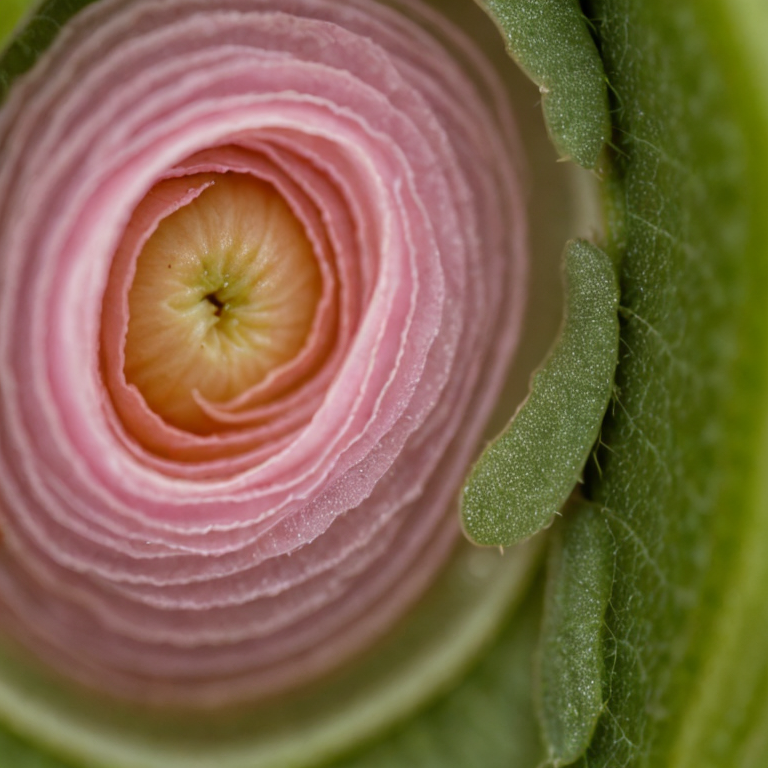
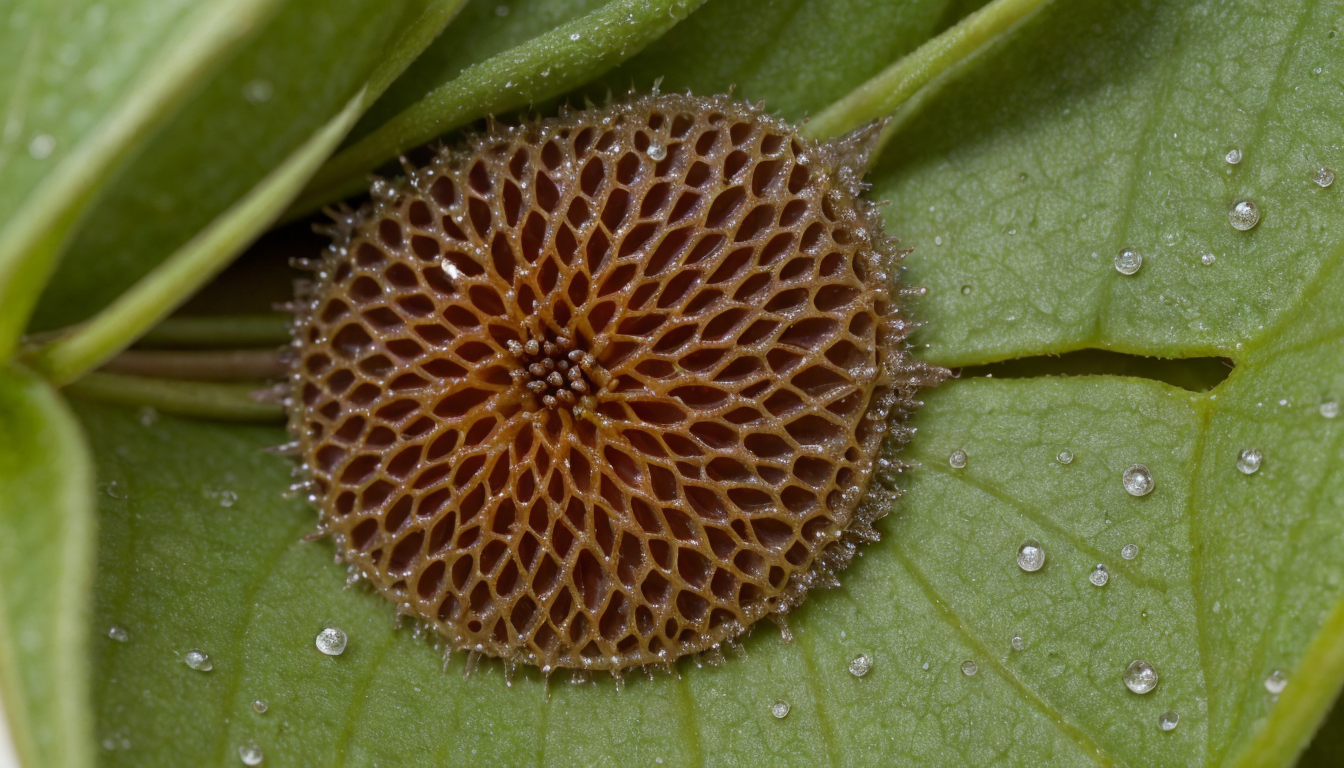
The heart of the Venus flytrap's ability to snap shut lies in specialized trigger hairs located on the inside surface of each leaf. These leaves are modified to form a small trap with three sensitive trigger hairs per lobe. When an insect or other small object touches these hairs, it triggers a mechanical response within the plant.
How Triggers Work
Each trigger hair is connected to mechanoreceptors that can detect physical stimuli such as touch and pressure. Upon contact, these receptors generate electrical signals that travel through the leaf's cells. However, simply touching one trigger hair isn't enough to make the trap close; the Venus flytrap requires multiple stimuli for a definitive response.
Multiple Stimuli Requirement
For the trap to shut effectively, at least two of the three trigger hairs must be stimulated within 20 seconds of each other. This dual-stimulus requirement serves as an evolutionary adaptation that helps prevent false triggers from non-prey objects like raindrops or debris. The plant needs confirmation that a real insect is present before it expends energy closing its trap.
Electrochemical Signals and Leaf Closure
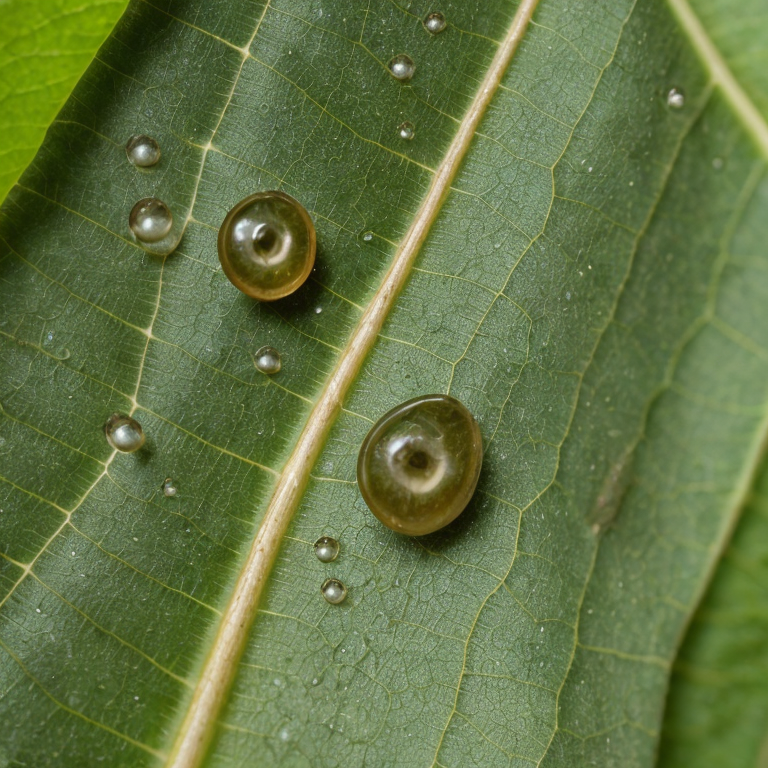
Once the necessary stimuli are received, electrochemical signals propagate through the leaf's cells at high speed. This process involves ion channels and voltage-gated calcium channels in the cell membranes. Calcium ions play a crucial role by triggering rapid changes in cellular pH levels, leading to a contraction of the leaf.
Rapid Contraction Process
The Venus flytrap’s leaves are hinged along their midrib, with cells on either side containing water-filled vacuoles. When triggered, these vacuoles rapidly lose water, causing the leaf to curl inward and snap shut within fractions of a second. The entire process is remarkably fast—typically taking less than one-tenth of a second for full closure.
Energy Conservation
By requiring multiple stimuli and responding only when prey is present, the Venus flytrap conserves energy that would otherwise be wasted on false triggers. This mechanism ensures that the plant’s resources are used efficiently in hunting and digesting insects.
Anatomical Adaptations for Prey Detection and Digestion
The Venus flytrap's leaves are not just mechanical traps but also highly specialized organs adapted for both prey detection and digestion. Inside each leaf, there are glands that secrete digestive enzymes once the trap is closed.
Glandular Functions
Once an insect is captured inside the closed leaf, it begins secreting a cocktail of acidic enzymes that break down the prey's tissues into nutrients. These nutrients are then absorbed by the plant through its vascular system. The glands also produce mucus to help retain moisture and prevent evaporation during digestion.
Specialized Hairs
In addition to the trigger hairs responsible for detecting stimuli, there are other specialized hairs within the leaf that play a role in prey retention and fluid regulation. These structures ensure that once an insect is caught, it remains trapped long enough for the plant to extract all necessary nutrients before reopening.
Historical and Cultural Context of Venus Flytrap Research
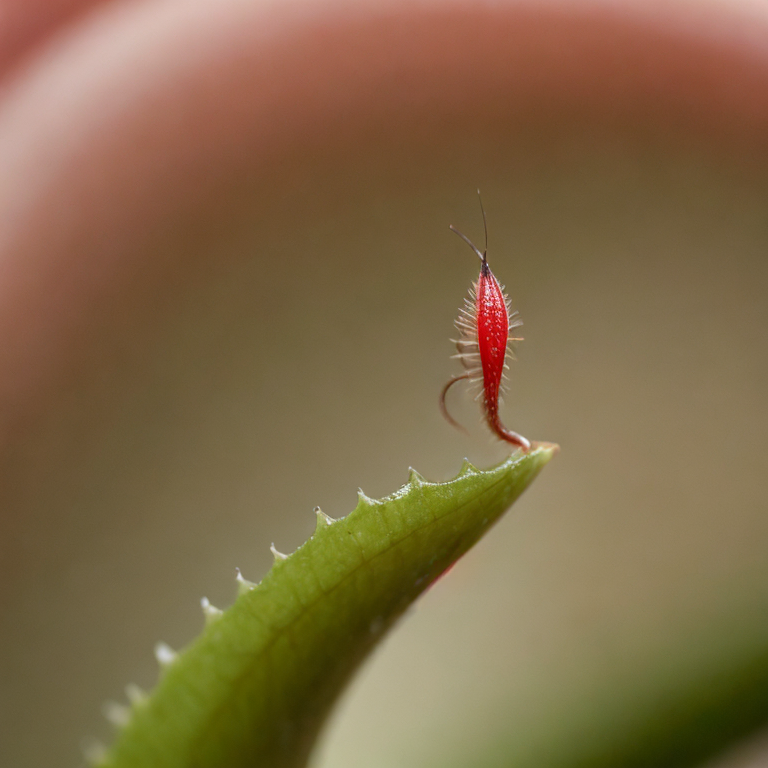
The fascination with the Venus flytrap extends beyond its biological functions into historical and cultural realms. Early botanists were intrigued by this unique plant due to its apparent carnivorous nature, which was not well understood until more recent times.
Early Discoveries
In 1768, the German naturalist Johann Reinhold Forster first recorded observations of the Venus flytrap during an expedition to Newfoundland. However, it wasn't until Charles Darwin's work on "The Power of Movement in Plants" (1880) that detailed studies began to reveal how these plants capture and digest prey.
Modern Research
Today, scientists continue to study the Venus flytrap using advanced techniques such as molecular biology and electrophysiology. These methods have provided deeper insights into the plant's electrochemical responses and mechanical triggers.
Misconceptions about the Venus Flytrap
Despite its well-documented mechanisms, there are several misconceptions surrounding how the Venus flytrap operates:
Common Myths
- Misunderstanding Trigger Mechanism: Some believe that any touch will cause the trap to close immediately. However, as explained earlier, multiple stimuli over a short period are necessary.
- Overfeeding Concerns: While it is true that feeding too much can harm the plant due to energy expenditure and potential bacterial infection from decomposing prey, moderate feeding is beneficial for its health.
- Cultural Myths: Folklore often attributes supernatural or mystical properties to carnivorous plants like the Venus flytrap, which has no basis in scientific fact.
Conclusion
The Venus flytrap's ability to snap shut upon detecting prey showcases an intricate balance of mechanical sensitivity and electrochemical signaling. Its specialized leaves not only capture insects but also digest them efficiently while conserving energy through a sophisticated trigger system. Understanding these mechanisms enhances our appreciation for the plant’s evolutionary adaptations and provides valuable insights into how plants interact with their environment in unique ways.
By studying the Venus flytrap, researchers continue to uncover new details about carnivorous plants and their role in ecosystems. This knowledge contributes not only to botanical science but also enriches our broader understanding of nature's complexities.
As an Amazon Associate, The Weird Report earns from qualifying purchases. Product links above are suggestions related to this article; they don't affect what we write.